How to keep HVAC acoustic performance reliable after installation
Once a facility is operational, its acoustic performance becomes a living condition.
HVAC systems continue to evolve. Equipment is upgraded, airflow requirements shift, and maintenance activities introduce subtle changes that can influence how sound behaves.
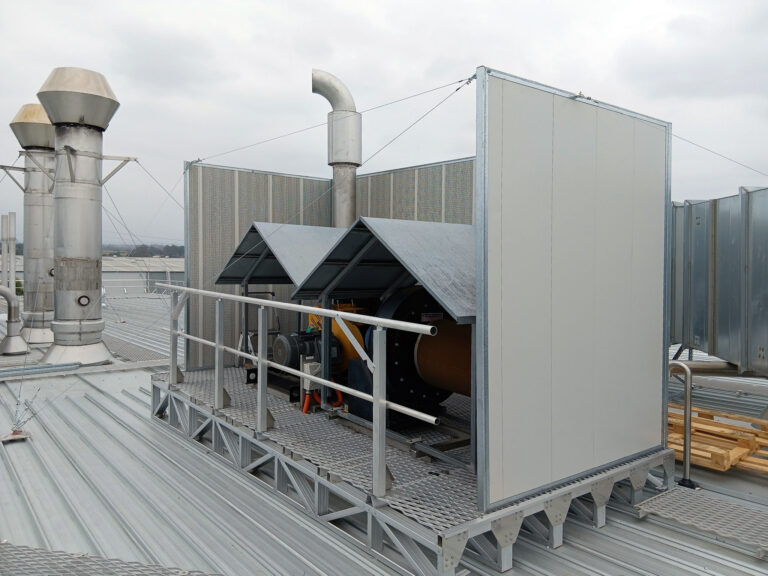
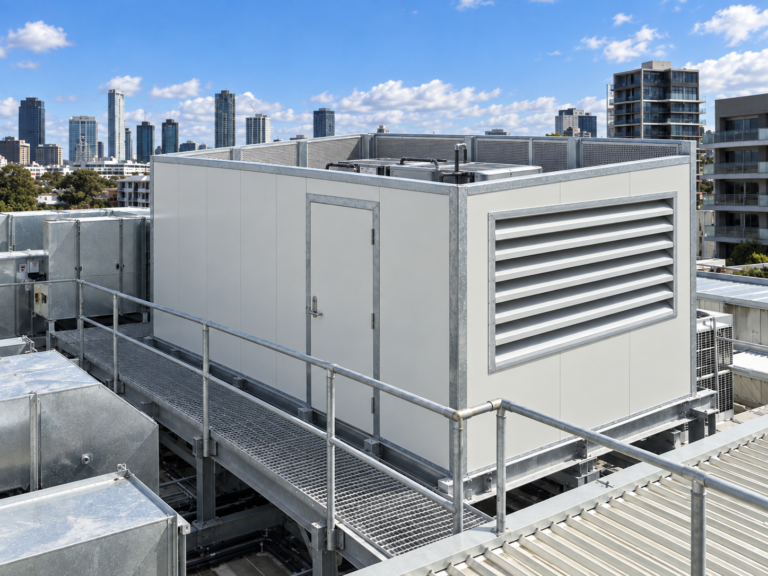
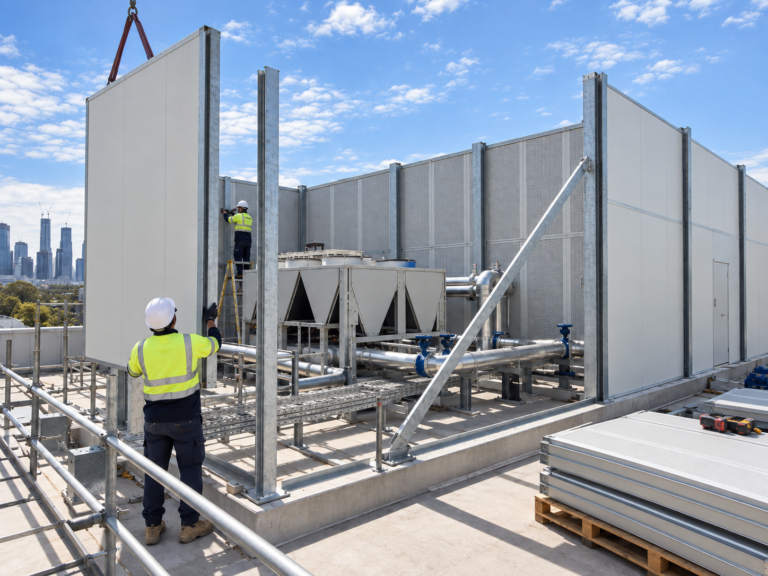
A door that no longer seals as intended. An acoustic louvre for HVAC that is partially obstructed. A panel modified to accommodate new services, or an HVAC acoustic screen wall that hasn’t been maintained.
Individually, these changes may appear minor. Yet over time, they can alter acoustic performance in ways that are difficult to attribute to a single cause.
Maintaining outcomes requires attention to the same elements that defined the original design.
Key HVAC noise reduction maintenance tasks
Regular checks of sealing systems, airflow paths and enclosure interfaces help preserve performance. When upgrades are planned, acoustic considerations should be included alongside mechanical and electrical scopes of work.
Sonic Series acoustic louvres, Sonic Access acoustic doors and Sonic System acoustic modular panels are designed for durability. Yet they perform best when integrated into a comprehensive HVAC noise-reduction strategy. That includes regular inspection of acoustic louvres for HVAC and HVAC acoustic screen walls.
Get expert advice on HVAC noise reduction maintenance
Facilities that take this approach tend to avoid reactive adjustments later. Performance remains stable, and operational environments stay consistent.
At AcousTech, the work doesn’t stop at installation. Ongoing support reflects the same technical discipline applied at the design stage. Because long-term performance isn’t accidental: it’s maintained.
To talk to the specialists at AcousTech, call 1300 508 232.
Trusted by engineers, built for performance.
The science of silence.