Sonic acoustic attenuator
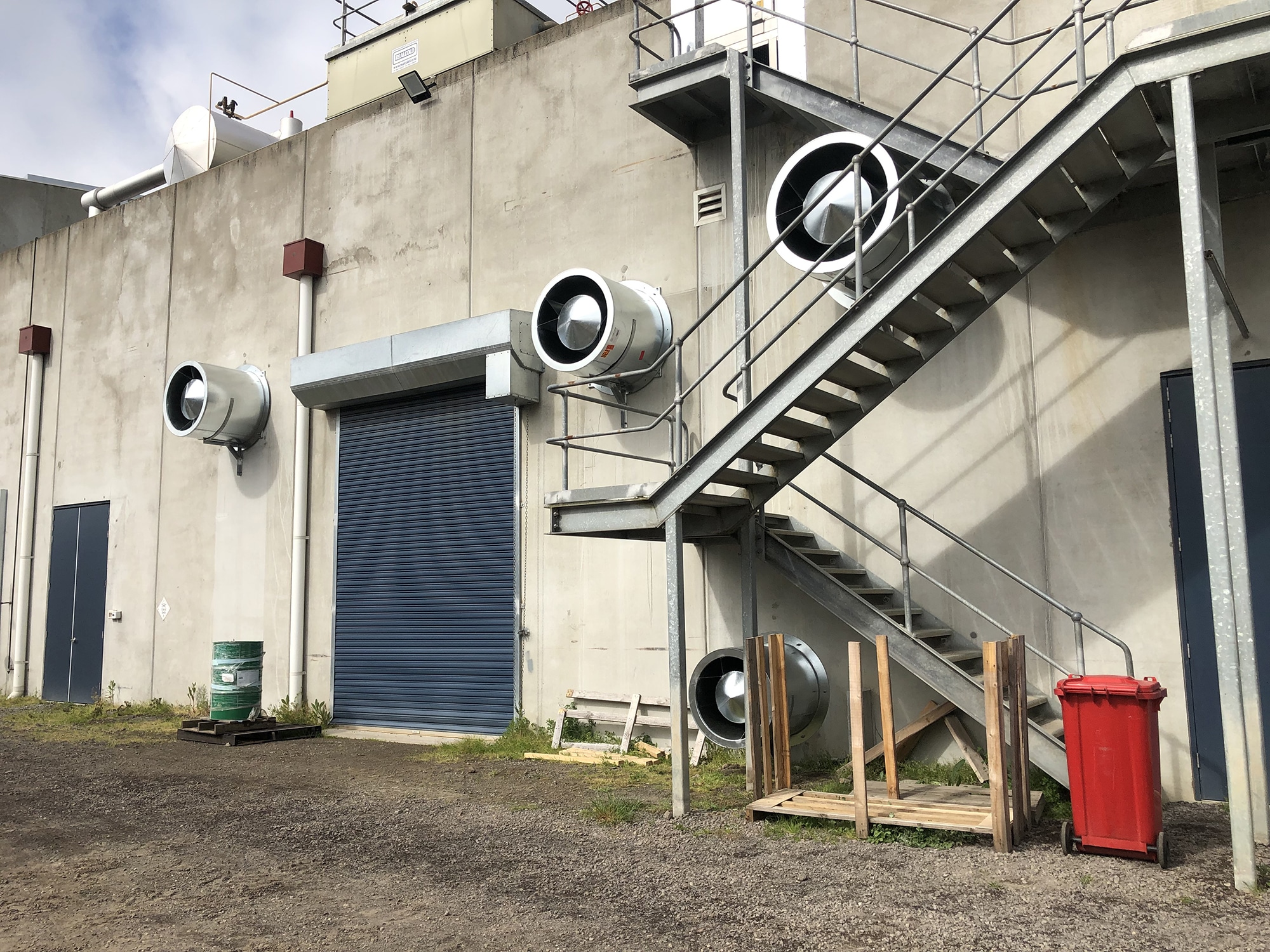
Engineered ventilation noise control without compromising airflow
-
Backed by the Science of Silence
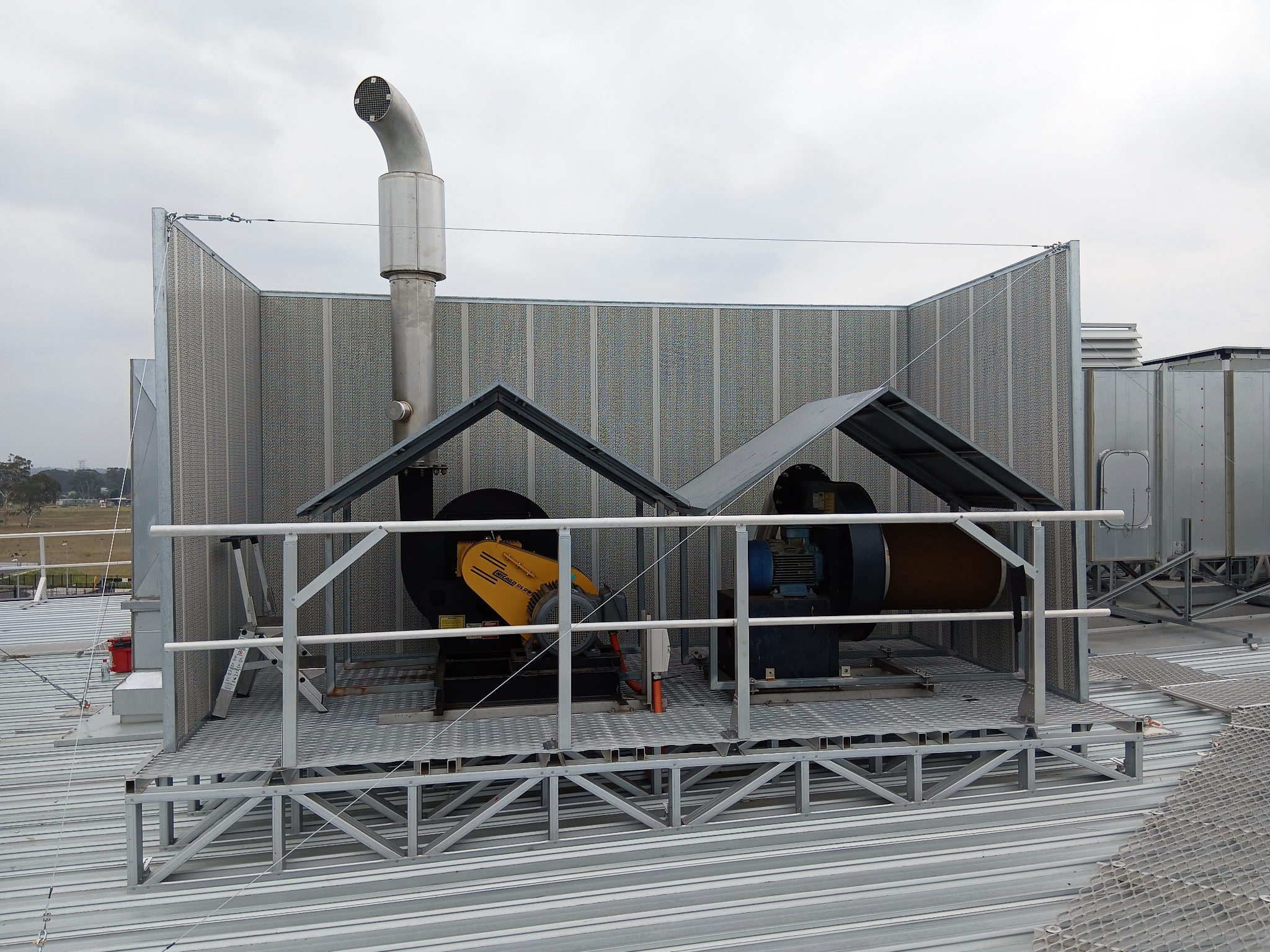
Engineers specify Sonic acoustic attenuators for reliable noise reduction across ventilation, exhaust and intake systems, with pressure drop performance engineered to the installation.
Key Applications
- Data centres and BESS infrastructure
- HVAC, mechanical and ventilation systems
- Power generation and turbine enclosures
- Generator exhaust and intake systems
- Pump stations and plant rooms
- Industrial and mining ductwork
- Marine and offshore installations
Performance
Performance Acoustic and airflow performance is engineered around the project’s airflow, pressure and noise targets.
- Noise reduction: 10–50dB(A)
- Pressure loss: tuned to system conditions
- Airflow efficiency: matched to duct velocity and volume
- Temperature range: high-temperature options available
- Pressure ratings: high-static systems supported
Typical insertion loss
| Frequency (Hz) | Insertion loss |
|---|---|
| 63 | 8–15 dB |
| 125 | 12–22 dB |
| 250 | 20–35 dB |
| 500 | 35–45 dB |
| 1000 | 45–50 dB |
| 2000 | 40–45 dB |
| 4000 | 35–40 dB |
Construction
All Sonic acoustic attenuators are manufactured to meet the acoustic and structural demands of the installation, with options selected to suit the operating environment and service life.
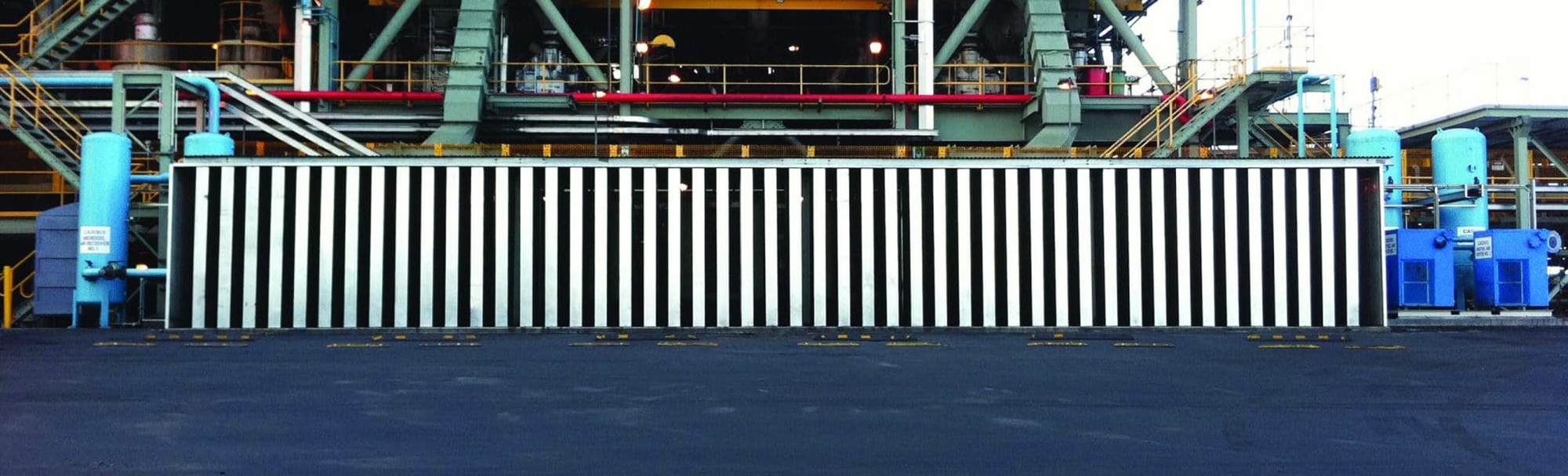
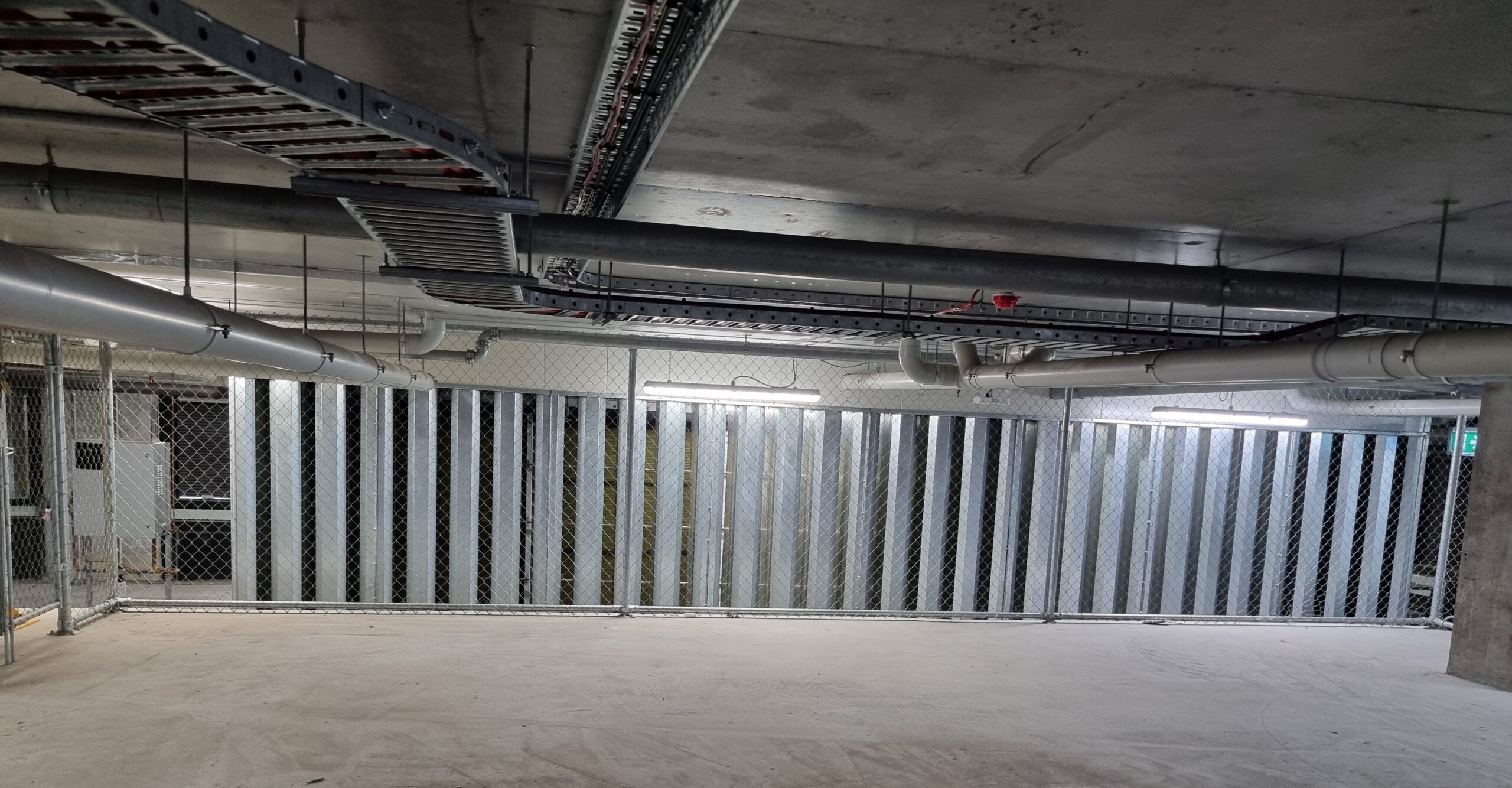
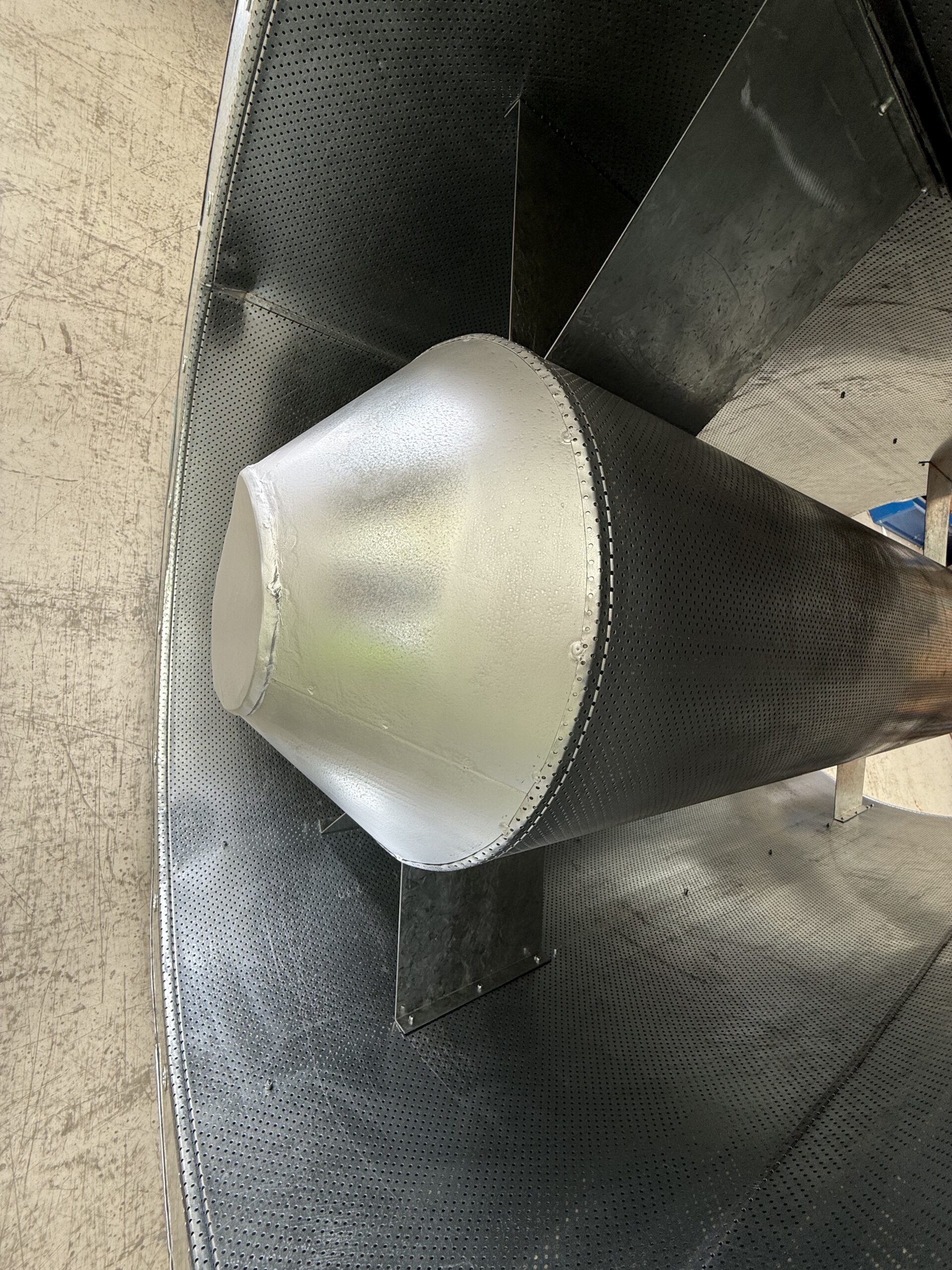
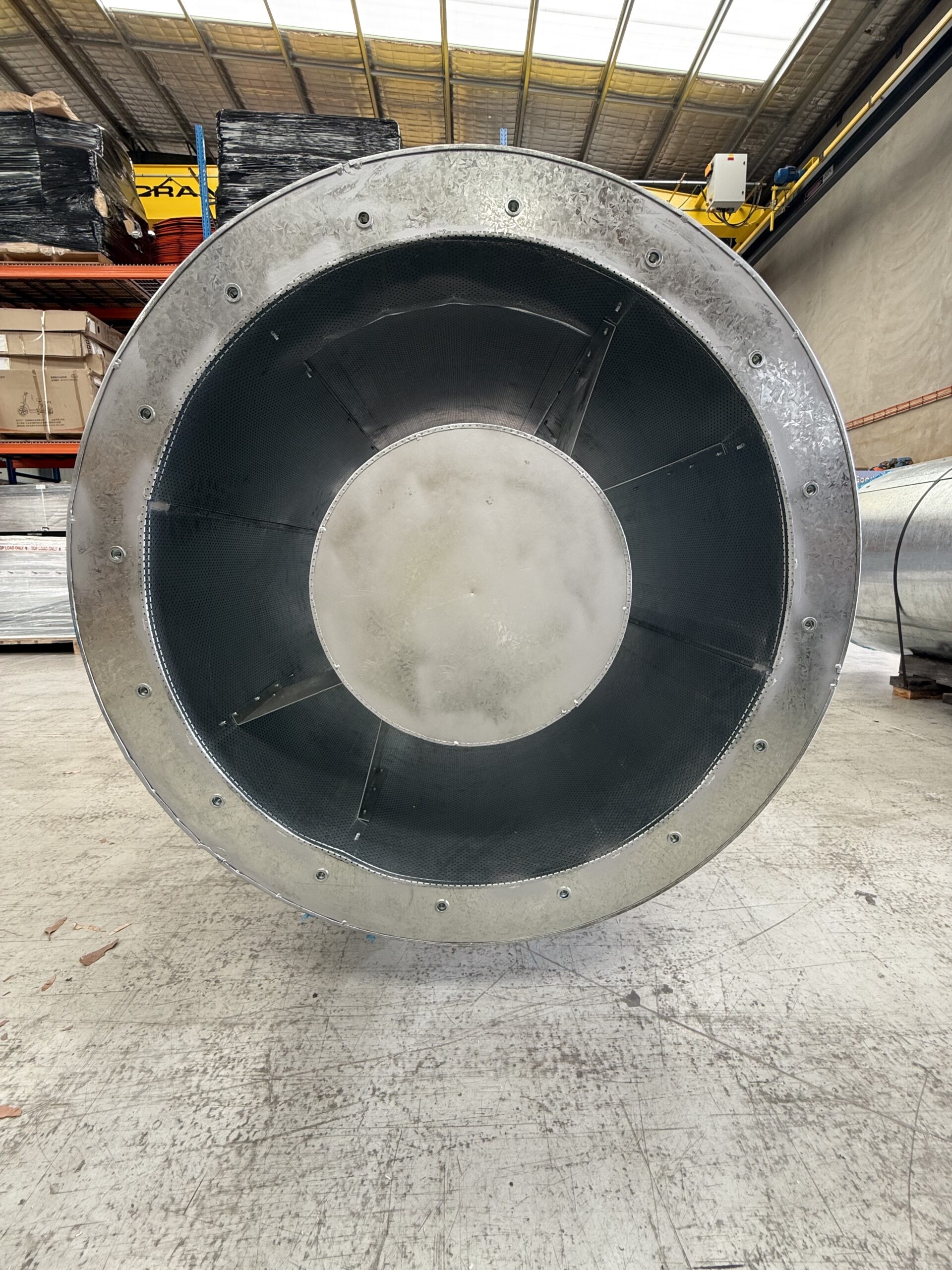
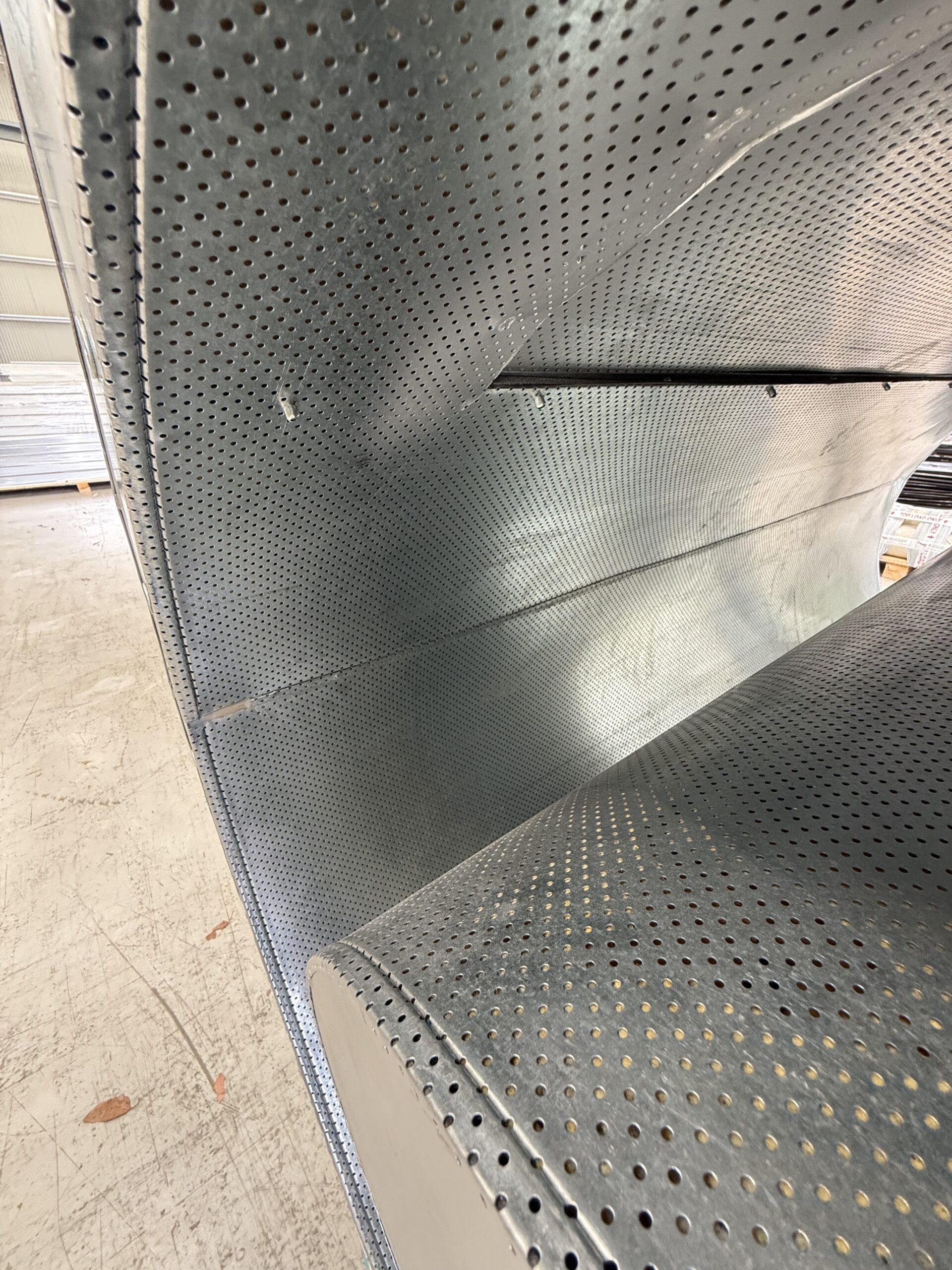
Standard construction is galvanised steel casing and baffles, perforated internal linings, high-density acoustic infill, an aerodynamic pod profile and a weather-resistant finish.
Material options include stainless steel, aluminium, corrosion-resistant coatings, and high-temperature linings and insulation where the application calls for them.
Optional features include bird or vermin mesh, weather hoods or screens, mounting flanges or support frames, flexible connectors, and access panels for inspection and cleaning.
Testing & Compliance
Acoustic testing follows ISO 7235:2023, with pressure drop verified in airflow rigs and structural engineering sign-off available on request. NATA-accredited laboratory test data is available on request. Fire rating is supplied to the project specification, and units are built for indoor and outdoor exposure.
How To Specify
Our team works with consultants, engineers and contractors to configure attenuators that meet acoustic, airflow and spatial constraints. To get started, we’ll work through three things with you.
System requirements: airflow volume and velocity, static pressure ratings, noise reduction targets, available space and layout, and ambient and system temperatures.
Design parameters: rectangular or circular configuration, podded or unpodded baffle layout, material selection, connection method (flanged, spigot or custom), and weather or screening protection.
Installation details: support or hanging requirements, maintenance access and inspection ports, corrosion risk and exposure classification, and integration with existing ventilation and mechanical plant.
Our process
Initial consultation, performance requirements review, acoustic modelling and technical design, engineering documentation and drawings, local fabrication and quality control, installation coordination or guidance, and on-site performance validation.
Get in touch
Sonic acoustic attenuators are engineered to solve noise problems in complex ventilation systems, whether the job is a new installation or a retrofit. Get in touch to request airflow and performance data, access specification drawings, obtain a project quote, book a consultation or discuss installation support.
Photo & Video Gallery
Bringing silence to these brands





Get
the
silent
treatment