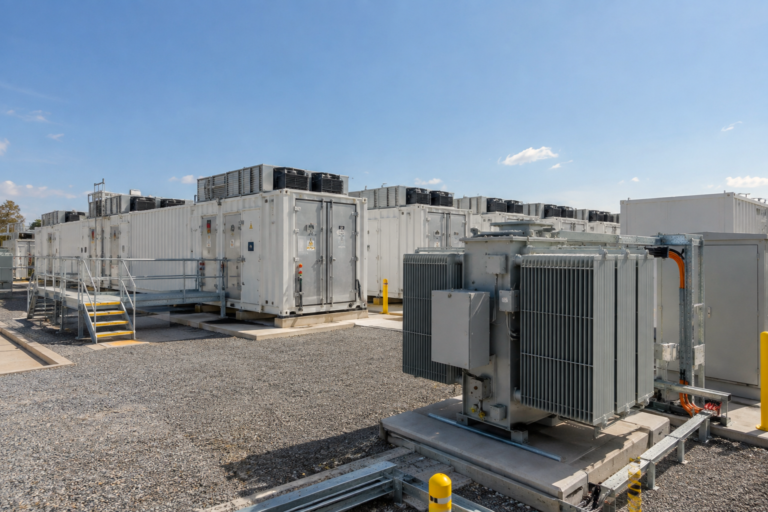
There is more infrastructure in planning across Australia right now than at any point in the past twenty years. Defence, energy, resources, water, transport, and digital infrastructure are all in concurrent procurement or design. The capital is committed. The projects are real.
What is not keeping pace is the approval pipeline. Planning frameworks have not scaled to handle the volume and complexity of what is moving through them. Environmental assessment processes that were designed for one or two major projects per year are now processing dozens simultaneously. The result is delay, and that delay is not distributed evenly. Projects that are well prepared move. Projects that are not, wait.
What approval delay actually means on site
Approval delay does not simply push a project start date back. It compresses the construction programme. The political and commercial commitments that set the end date do not move when the approval takes longer than expected. The result is a shorter construction window, which means higher peak resource demand, more concurrent trades, and less time for each trade to resolve interface problems.
That compression hits acoustic scope the same way it hits everything else. When a project moves from design to construction faster than planned, the acoustic design may not be complete when the construction programme needs it to be. Barrier locations change. Equipment specifications change. The acoustic model is based on a design that is already out of date.
The answer is not to wait for the approval before starting acoustic design. It is to run acoustic design in parallel with the planning process, at a level of detail that can respond to design changes without requiring a complete restart. That is a resource commitment, but it is a smaller commitment than reworking acoustic scope after the construction programme has started.
Acoustic walls on compressed programmes
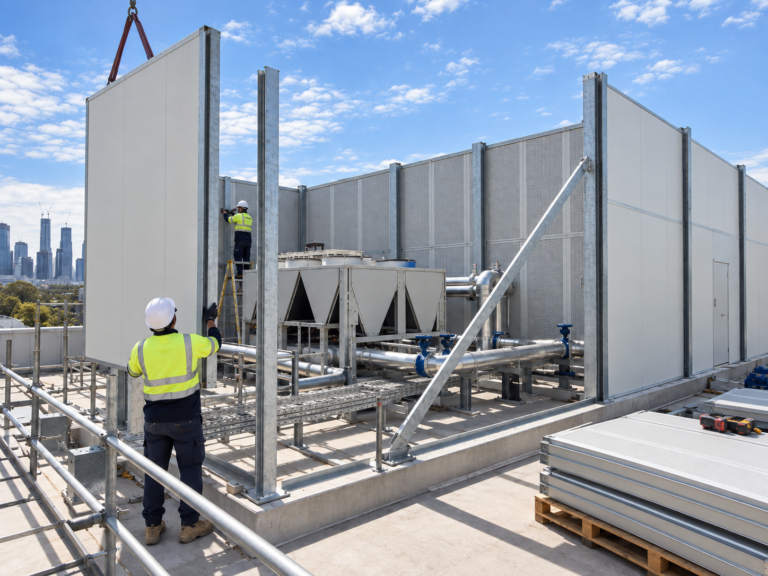
Sonic acoustic walls on major infrastructure projects are not incidental items. They are often on the critical path or close to it. A noise wall that needs to be in the ground before surrounding civil works can proceed has a programme dependency that the project cannot absorb a late confirmation on.
On compressed programmes, the acoustic wall specification needs to be confirmed before the civil package is finalised. The foundation design, the structural connections, and the civil works sequencing all depend on the wall geometry and specification. When the acoustic wall is treated as a separate scope item that gets resolved after the civil package, the result is either a programme gap or an acoustic design that is constrained by civil decisions already made.
Getting acoustic walls into the civil scope coordination process early, with the geometry and performance specification confirmed, is the management practice that prevents that problem. It requires the acoustic consultant to be engaged and producing a design that the civil team can work with, at the stage when the civil package is being developed.
Enclosures and late equipment delivery
Equipment delivery timelines are one of the more unpredictable variables on current infrastructure projects. Global supply chain conditions, long lead manufacturing items, and shipping constraints have extended equipment delivery windows across the board. That creates a specific problem for acoustic enclosures.
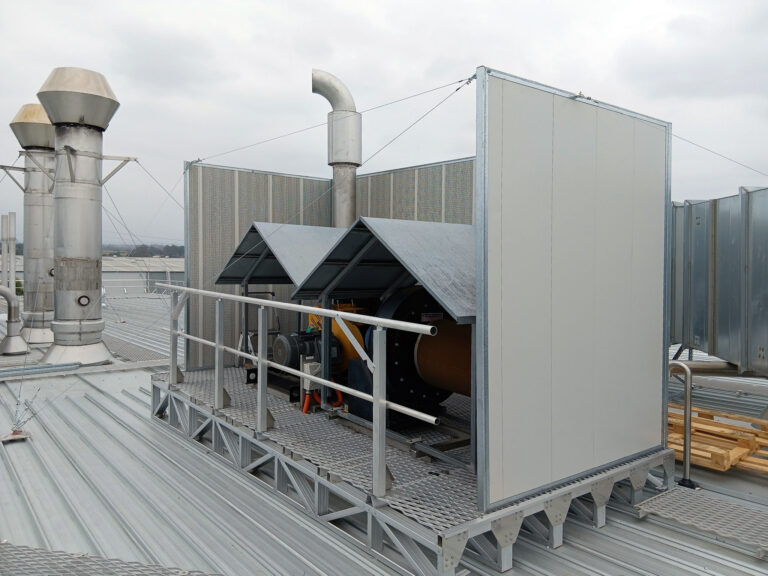
A Sonic acoustic enclosure is designed around the equipment it contains. The size, the ventilation requirements, the access requirements, and the acoustic performance of the enclosure all depend on knowing what is inside it. When the equipment specification is locked in but the delivery date is uncertain, the enclosure can be designed but not necessarily installed at the time the programme needs it.
Managing this requires the construction programme to treat the enclosure installation as a separately programmed item with its own float, rather than assuming it will follow immediately from equipment arrival. The structural preparation for the enclosure, the access provisions, and the services coordination can all be completed before the equipment arrives. The enclosure installation then follows equipment delivery as a short, defined scope of work rather than a complex late-stage coordination task.
Preparing for the programme you will get, not the one in the baseline
The infrastructure projects moving through planning right now will arrive in construction with compressed programmes and changed designs. That is not a prediction. It is a pattern that repeats on every major project cycle.
The construction teams and design consultants that perform best in that environment are the ones that have done the preparation work before the approval lands. Acoustic scope that is designed, procured, and coordinated in advance absorbs programme compression better than scope that is still being resolved when the start date moves forward.
The pipeline is growing. The preparation time is not.