Sonic acoustic enclosure
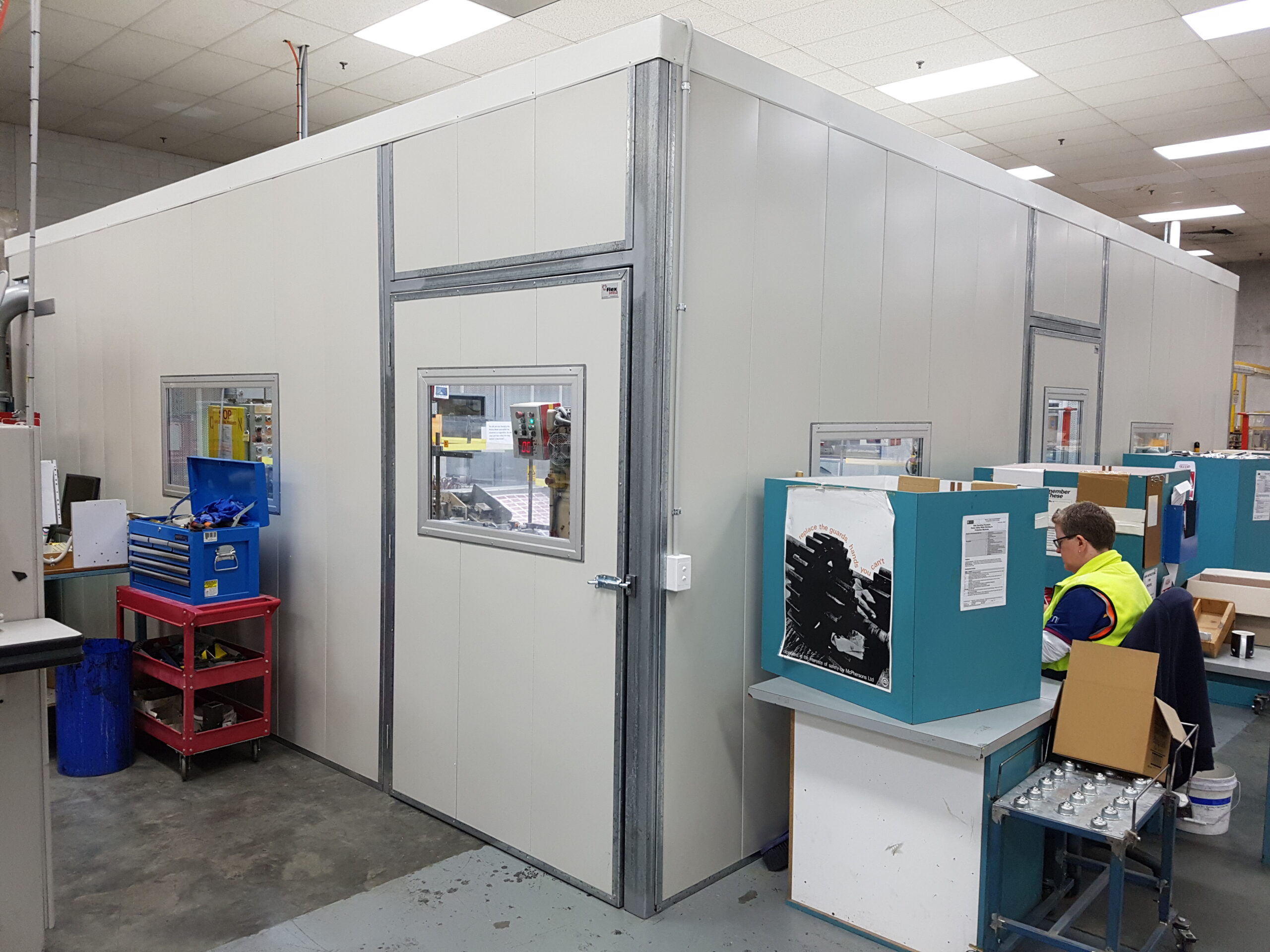
Custom-engineered acoustic solutions for equipment noise control
-
Backed by the Science of Silence
Engineers specify Sonic acoustic enclosures for verified noise reduction and the ability to integrate ventilation, access and serviceability into a single engineered assembly.
Key Applications
- Data centres and BESS infrastructure
- Power distribution, generators and industrial motors
- HVAC plant, chillers and plant rooms
- Test cells and validation bays
- Material processing and handling systems
- Mining and resources facilities
- Packaging, filling and bottling lines
- Manufacturing noise zones
- Water treatment and pump stations
Performance
A Sonic acoustic enclosure is only as good as the components it’s built from. Every panel, louvre and door has been tested in NATA-accredited laboratories, so the performance we specify is the performance you can expect on site.
Typical system performance by frequency
- Low frequency (125 Hz): 15 to 25dB reduction
- Mid frequency (500 Hz): 25 to 35dB reduction
- High frequency (2000 Hz): 35 to 45dB reduction
Component ratings
- Sonic System acoustic modular panels: up to Rw 45dB (V100SP)
- Sonic Series acoustic louvres: up to Rw 33dB (SL4-60C)
- Sonic Access acoustic doors: up to Rw 52dB (high performance)
- Sonic acoustic curtain: performance data available on request.
Fire resistance level for all Sonic System modular panels: -/120/- to AS 1530.4-2014.
Ventilation and cooling are sized to keep the equipment inside operating safely, and access points are planned for serviceability, maintenance and safety.
Construction
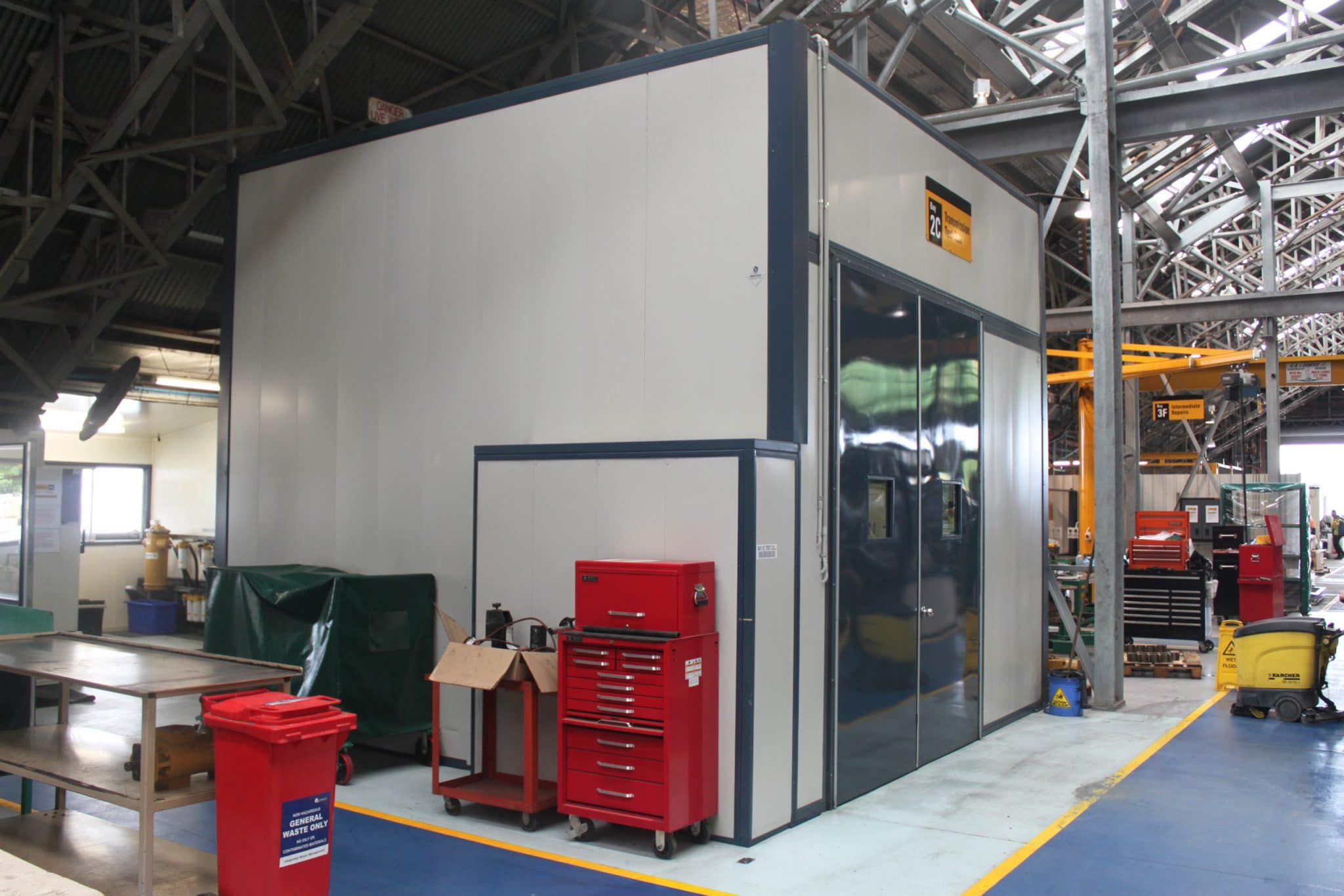
Every Sonic acoustic enclosure is custom-built from modular components and tailored to your site. Depending on the equipment and the environment, we’ll specify a combination of:
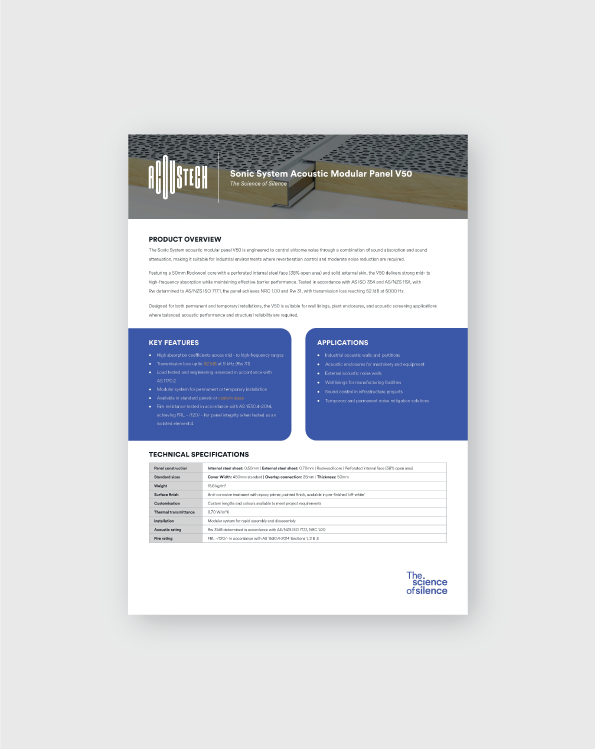
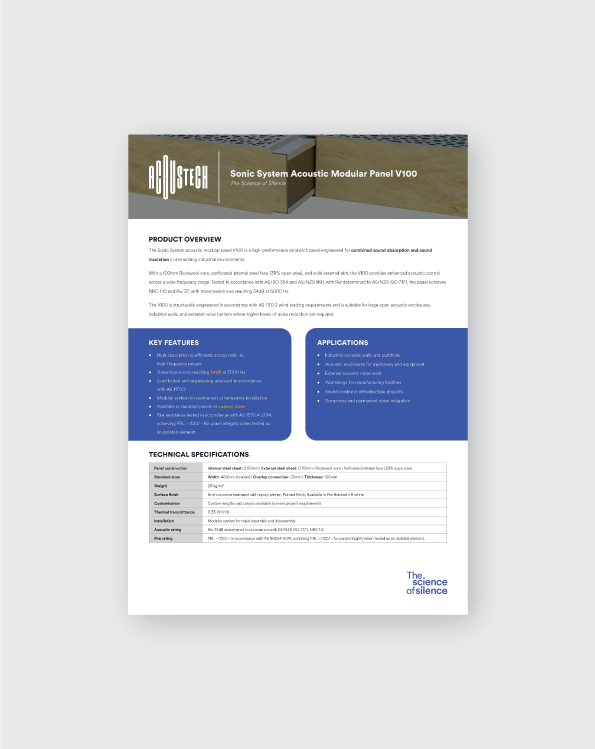
- Sonic System acoustic modular panels (V50, V100, V100SP, V225 or VR roof panels)
- Sonic Series acoustic louvres for ventilation with noise control
- Sonic Access acoustic doors for personnel and equipment access
- Sonic acoustic curtain where flexibility or a partial enclosure is needed
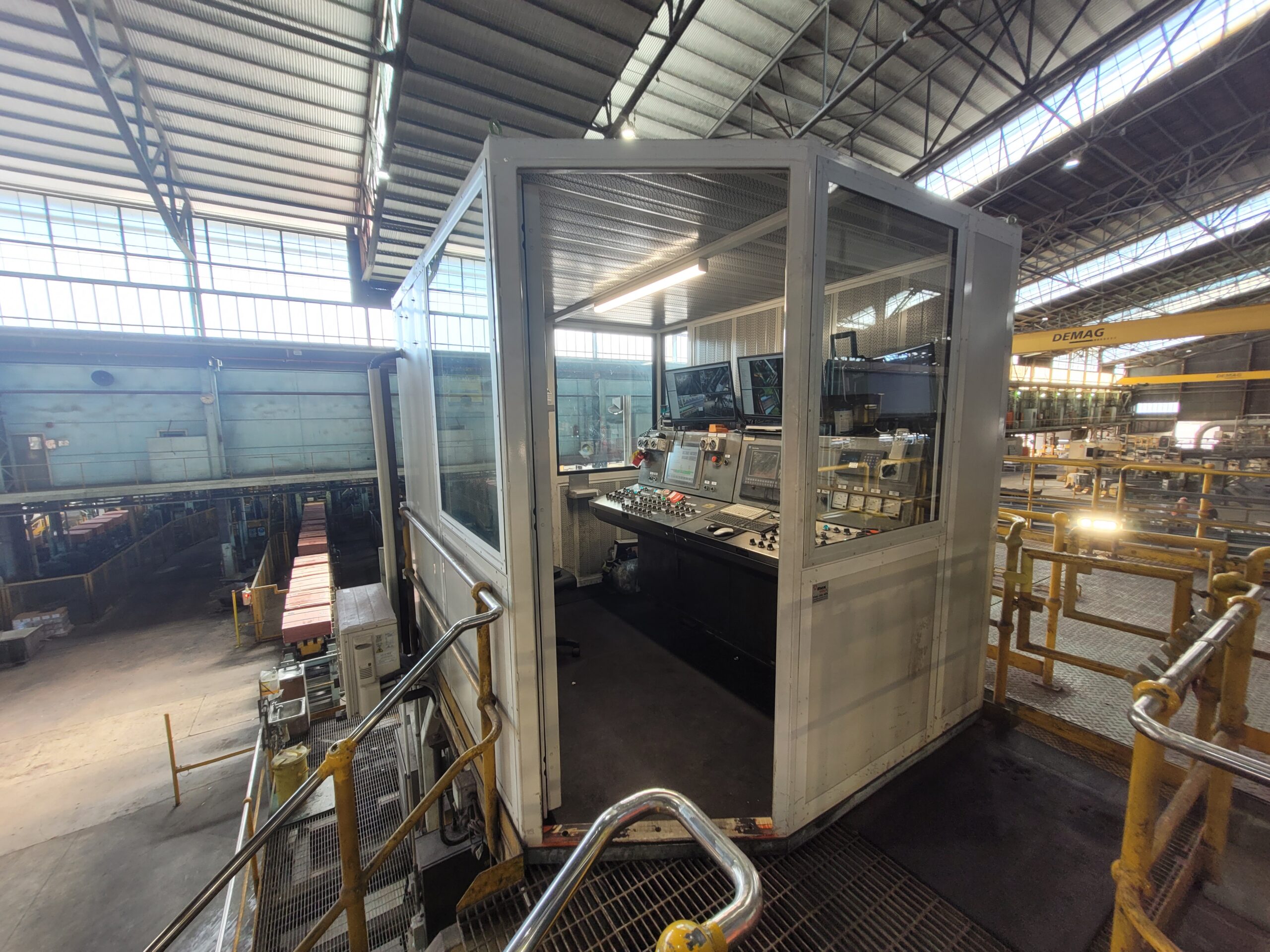
Each enclosure is designed to include, as required:
- Ventilation and airflow provisions
- Vision panels and lighting
- Cable, duct and service penetrations
- Removable roof or wall sections for equipment access
- Lifting points and a certified support frame
Testing & Compliance
Every enclosure is engineered to meet site, equipment and legislative requirements.
- Acoustic testing: conducted in NATA-accredited laboratories
- Sound insulation: AS/NZS ISO 717.1-2004
- Noise emission: AS 1191-2002
- Fire rating: to the relevant NCC provisions and AS 1530.4-2014
- Structural integrity: engineering certification available
- Environmental compliance: based on application and jurisdiction
- Work health and safety: considered in all access and service zones
How To Specify
A successful enclosure project starts with a full understanding of your acoustic, structural and operational requirements. We work through three stages with you.
Stage 1 – initial assessment
- Equipment type and size
- Site layout and constraints
- Target noise reduction levels
- Access needs for personnel and equipment
- Ventilation and heat load
- Maintenance and inspection frequency
Stage 2 – system design
- Acoustic performance targets
- Panel type and thickness
- Airflow design and cooling strategy
- Door and access point placement
- Lighting and service integration
- Structural and support requirements
Stage 3 – final configuration
- Finishes, colours and branding
- Vision panels or inspection windows
- Cable, pipe or duct routing
- Lifting or transport requirements
- Monitoring systems or alarms
Our process
- Initial consultation
- Site inspection
- Acoustic measurement and modelling
- Custom enclosure design
- Engineering documentation and certification
- Manufacturing in our Australian facility
- Delivery and installation
- On-site performance verification
Ready to discuss your project
Sonic acoustic enclosures are built for complex noise challenges where off-the-shelf won’t do. Talk to our team about your site, your equipment and your target noise levels.
- Request a site assessment
- Access acoustic data and drawings
- Obtain a detailed quote
- Review installation strategy
- Discuss maintenance and service programs
Photo & Video Gallery
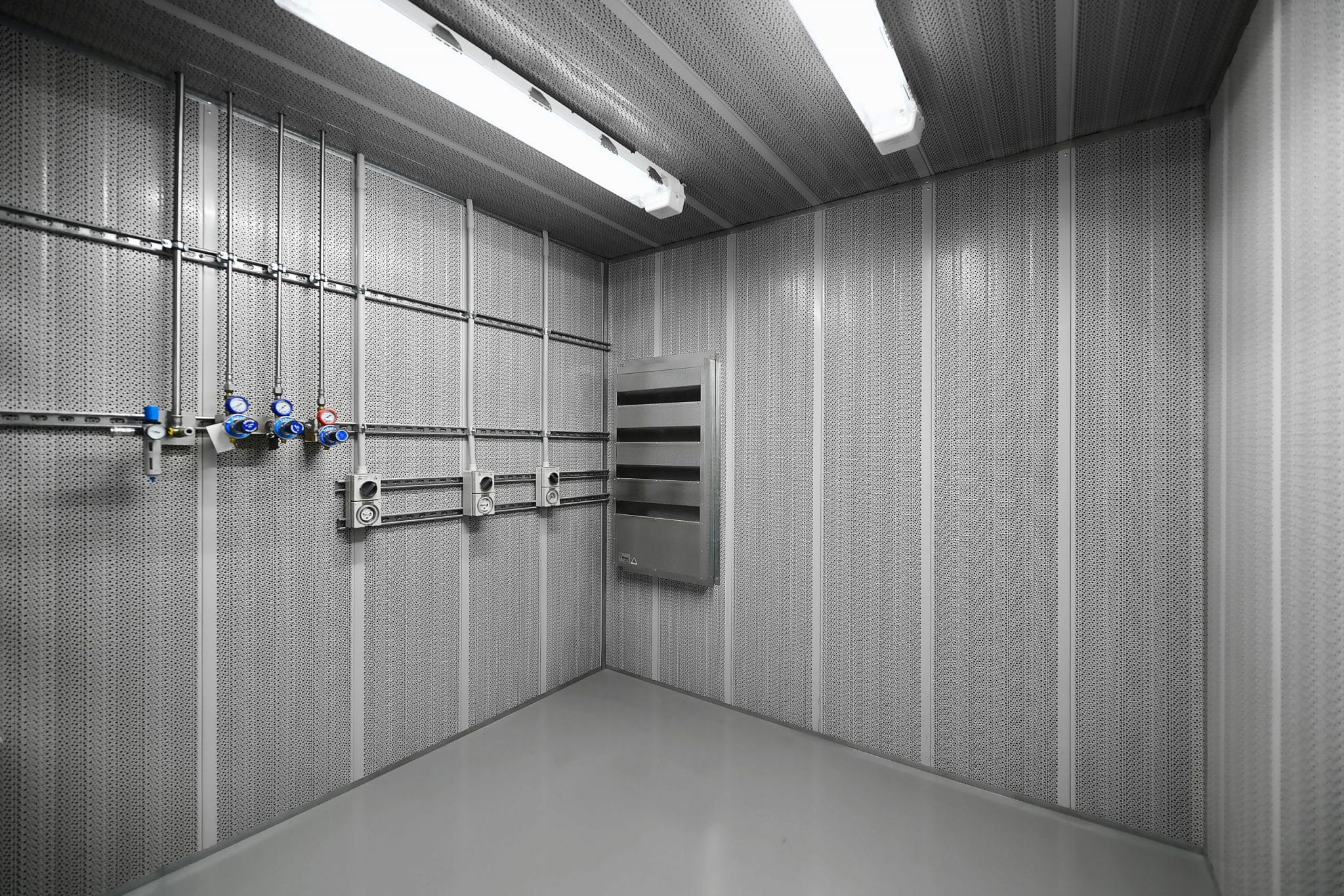
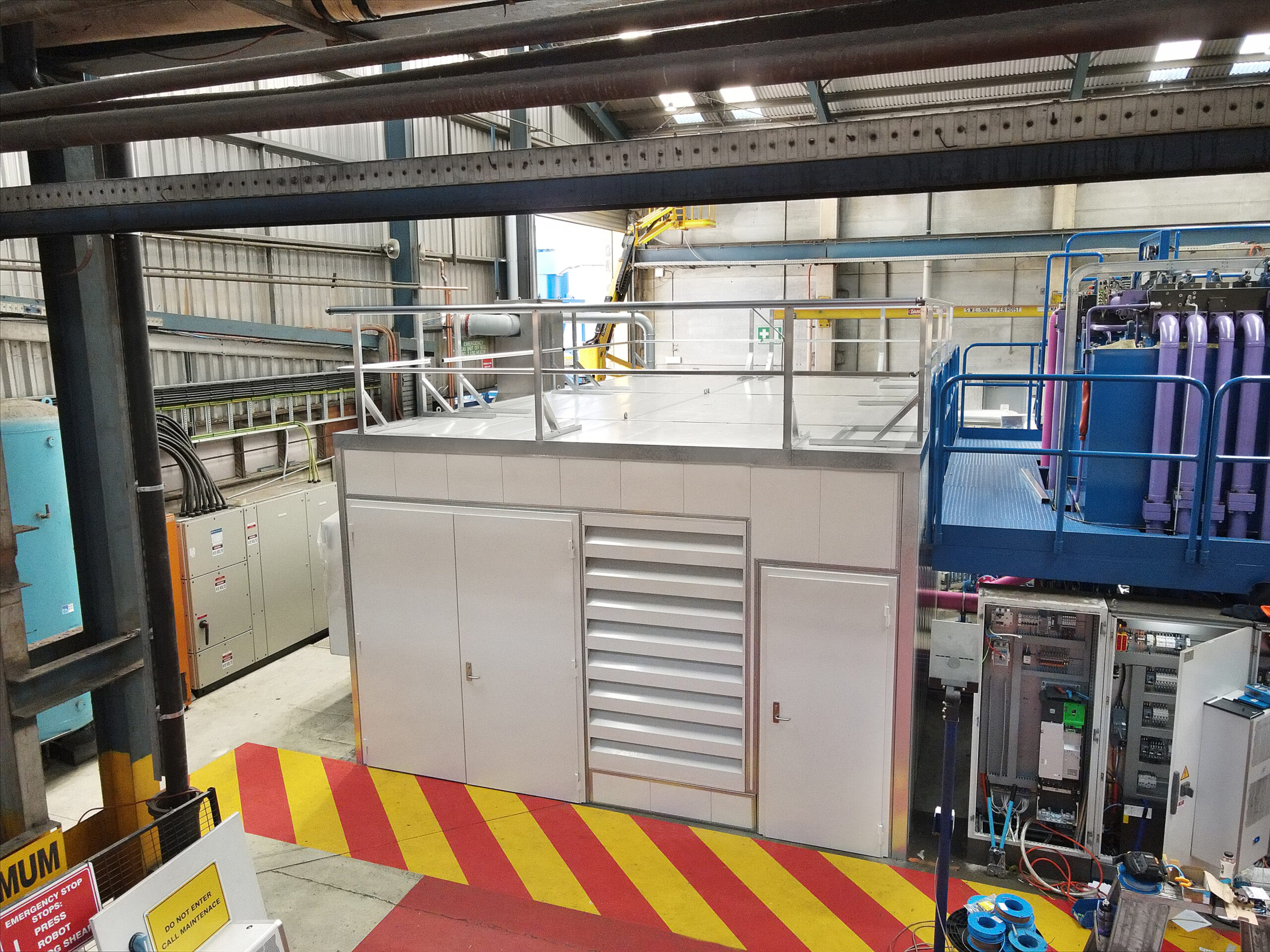
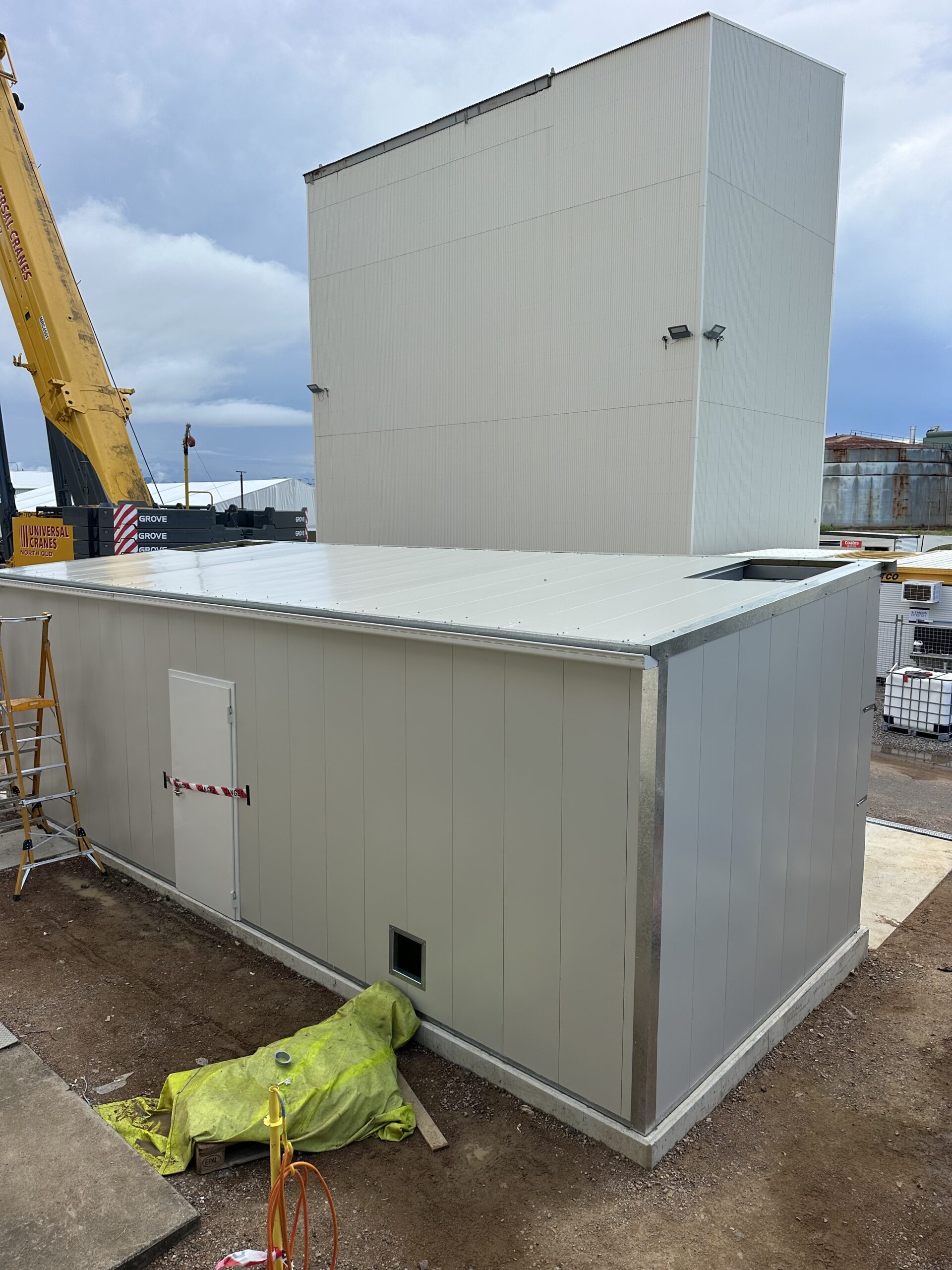
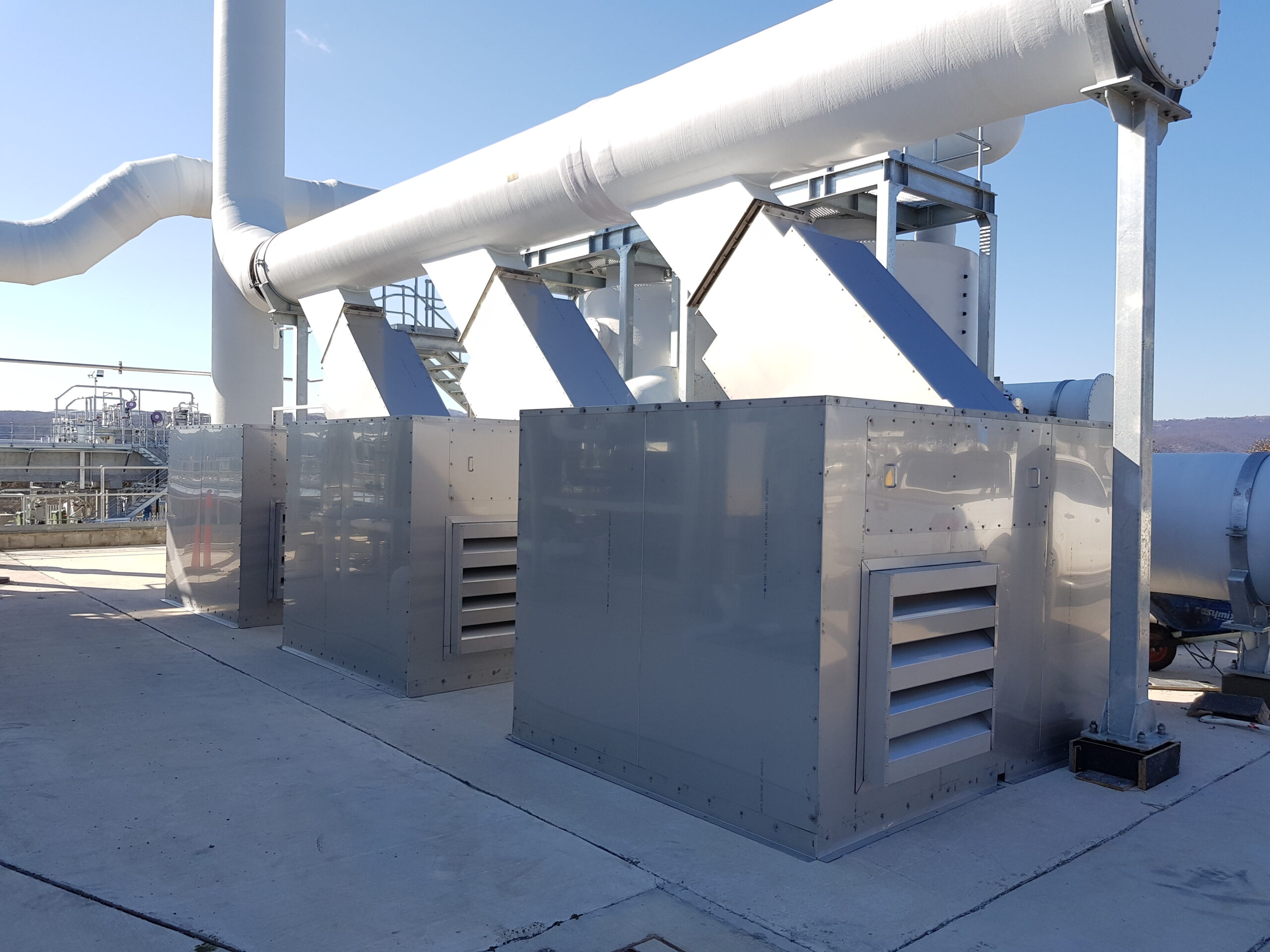
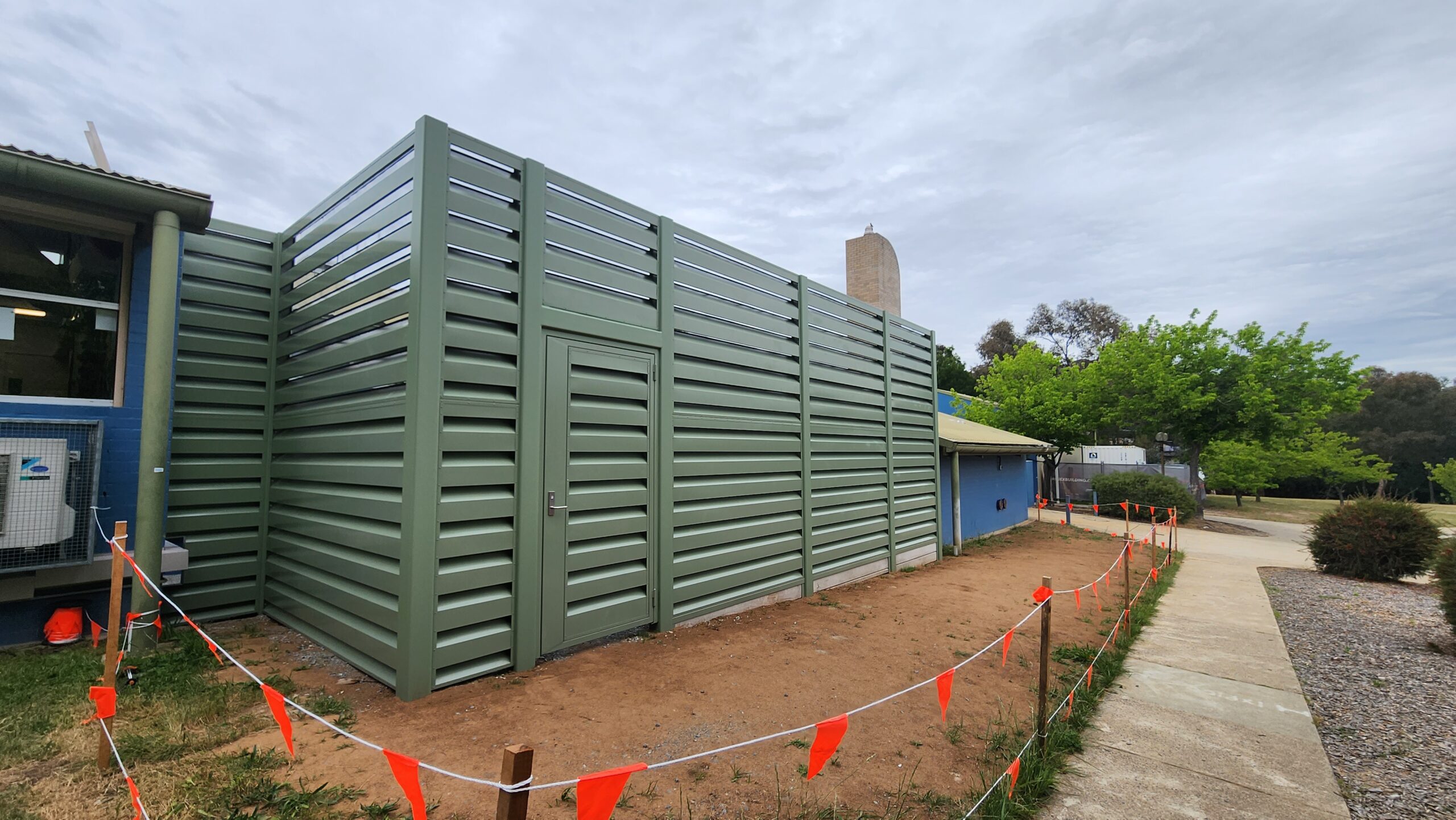
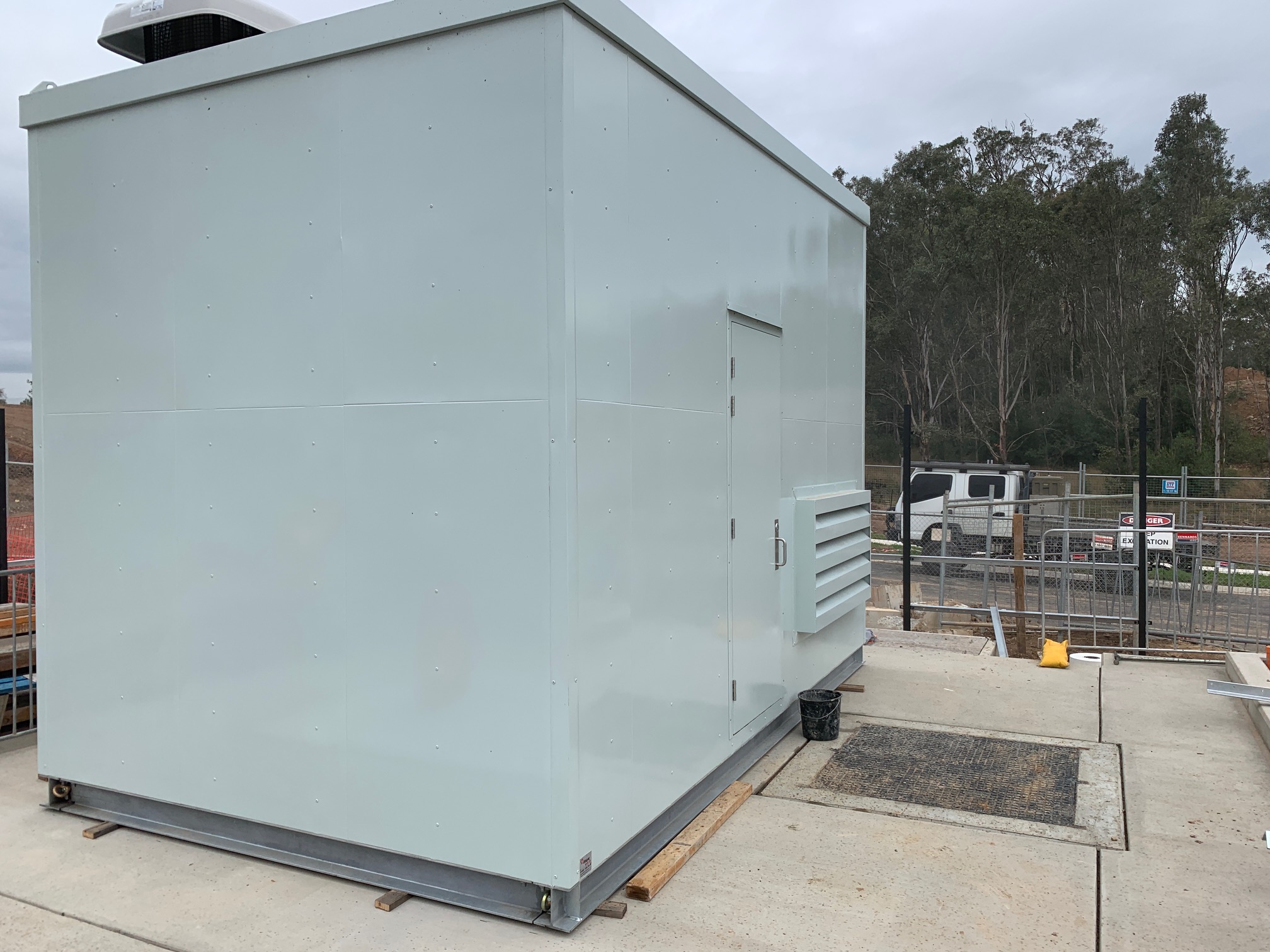
Bringing silence to these brands

















Case Studies
-
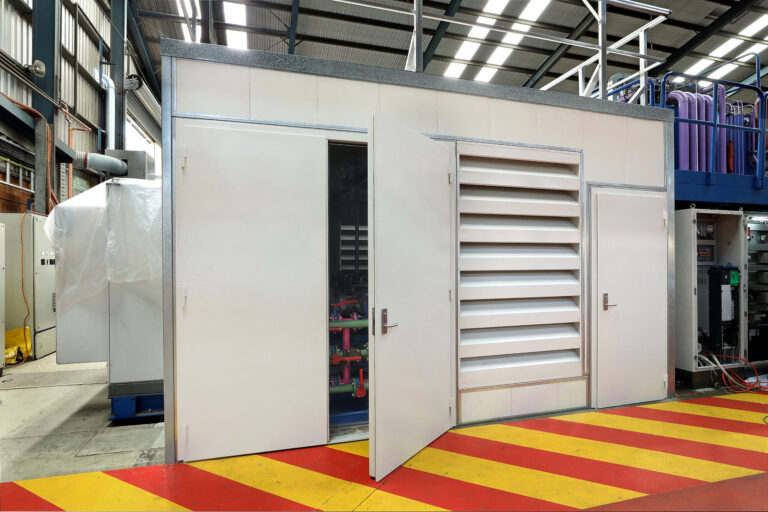
Sonic System acoustic modular panel enclosure contains hydraulic pump noise
When they set out to establish a new Trade Training Centre, Melbourne Polytechnic knew they needed to cater to students’ welding training needs while also…
Frequently Asked Questions
Get
the
silent
treatment