
The cost of late-stage acoustic changes on Tier One projects
On many major construction projects, acoustic engineering is engaged early enough to satisfy planning approval, but not early enough to influence design. Equipment selections proceed under the assumption that acoustic compliance will be confirmed once plant is specified. Specifications are prepared with generic acoustic provisions. Then, at some point during detailed design or procurement, it…
On many major construction projects, acoustic engineering is engaged early enough to satisfy planning approval, but not early enough to influence design. Equipment selections proceed under the assumption that acoustic compliance will be confirmed once plant is specified. Specifications are prepared with generic acoustic provisions. Then, at some point during detailed design or procurement, it becomes apparent that the proposed plant does not meet the acoustic criteria, or that the acoustic provisions are inadequate for the conditions on site.
At that point, the cost of addressing the acoustic shortfall is a function of how far the design has progressed and how much has already been committed. Changes to acoustic treatment that are straightforward and inexpensive during concept design become progressively more expensive as structural drawings are issued, equipment is procured, and construction commences. By the time acoustic problems are identified during commissioning, rectification costs can be many times higher than implementing the same change during concept design.
This is not a novel observation. It reflects the general principle that design changes become more expensive as projects advance. What makes acoustic changes particularly costly on Tier One projects is the specific nature of the conflicts they create with structural, mechanical, and programme elements that have already been resolved.
Why acoustic issues get deferred on major projects
The deferral of acoustic resolution is often not a deliberate decision but the outcome of how acoustic engineering is integrated into the project programme. Acoustic consultants are typically engaged to produce the planning noise assessment and, separately, to provide acoustic design input during detailed design. Where those engagements are not continuous, the detailed design acoustic work may begin after structural and mechanical design is already well advanced.
Procurement practices on major projects can also defer acoustic resolution. Generic acoustic performance specifications, attenuators to achieve X dB insertion loss, and louvres to achieve Y dB attenuation, are included in mechanical procurement documents without the detailed performance characterisation needed to confirm compliance at the acoustic criterion level. Equipment suppliers propose products that meet the stated specification. Whether those products, in the actual ductwork configuration and at the operating conditions of the specific plant, deliver the required performance at key receivers is not confirmed until detailed acoustic design development is completed.
A common pattern on large HVAC and data centre projects is the discovery during detailed design that the attenuation required on a given ductwork run exceeds the physical length available for a silencer. The structural coordination work to accommodate a longer silencer, the duct routing changes required to create that length, and the consequential changes to other services all represent rework costs that would not have arisen if the silencer sizing had been determined at the ductwork layout stage.
How costs escalate as acoustic problems are deferred
Acoustic changes during concept design typically involve revising a drawing and updating a specification. The cost is primarily the design effort. During detailed design, changes begin to involve coordination with other disciplines. A silencer that does not fit in the allocated duct shaft requires structural changes, services rerouting, and potentially architectural modifications. The coordination cost begins to exceed the product cost.
During construction, acoustic changes involve mobilisation, possibly demolition of completed work, and reconstruction. A plantroom acoustic lining that needs to be extended into an area where services have already been installed requires temporary removal of those services, installation of the lining, and reinstatement. The cost of that work on a major project is commonly several times higher than the same lining installed as part of the original construction sequence.
Post-commissioning acoustic changes add further to this escalation. Where the facility is partially or fully operational, work must be scheduled around operational requirements, access may be restricted, and the commercial consequences of the acoustic problem, including complaints, regulatory attention, and potential consent breach, add programme acceleration costs on top of construction costs. Project teams frequently discover that resolving acoustic complaints identified during commissioning costs more than the entire acoustic specification budget for the original project.
Acoustic lead times and procurement risk
The specification of acoustic products on major projects carries lead time implications that are not always factored into procurement programmes. Acoustic attenuators for large duct sizes, acoustic louvres with specific free area and attenuation performance requirements, and acoustic doors for plantroom applications are not off-the-shelf products. Lead times for fabricated acoustic products can range from several weeks to several months depending on the complexity of the specification and the supplier’s production schedule.
When acoustic requirements are not confirmed until detailed design is well advanced, the lead time for acoustic products can become a programme critical path item. The mechanical contractor requires confirmed product dimensions to finalise duct and structural drawings. Without those dimensions, other design work cannot be completed. The downstream cascade of programme impacts from a single late acoustic decision can affect multiple work packages.
Confirming acoustic product specifications as early in the design process as possible, ideally at the same time as major mechanical equipment selections, eliminates this category of programme risk. It requires acoustic performance requirements to be established before procurement, which in turn requires acoustic design to be progressed in parallel with mechanical design rather than as a subsequent activity.
Design coordination failures and how to avoid them
The design coordination implications of acoustic treatment on major projects are often underestimated because acoustic engineers are not always present at the design coordination meetings where conflicts are identified and resolved. Acoustic requirements that are documented in the noise assessment and referenced in specifications but not actively coordinated with structural and mechanical design can result in physical conflicts that are only discovered on site. Constructability considerations, whether acoustic treatment can be physically installed in the sequence the construction programme requires, are rarely assessed until it is too late to change them.
Penetrations through acoustic barriers or plantroom linings are a common multidisciplinary coordination failure point. Services that pass through acoustic-rated assemblies require acoustic sealing. Where that sealing requirement is not documented in the structural or services drawings, the installation proceeds without it, and the acoustic performance of the assembly is compromised. Identifying and rectifying penetration sealing failures after installation is time-consuming work that requires access to completed construction.
AcousTech’s project involvement in building services and HVAC acoustic design includes engagement at the design coordination stage on major projects where the objective is to identify and resolve acoustic-structural conflicts before they reach the construction phase. Acoustic panels for plantroom enclosures and the associated installation detailing are most productively specified at the point where structural and services drawings are being coordinated, not after they have been issued for construction.
What earlier engagement looks like in practice
On projects where acoustic engineering is integrated into the design process from the outset, the pattern of late-stage discoveries and costly changes is largely avoidable. The practical requirements are not complex: acoustic performance specifications that are specific enough to drive equipment selection, acoustic design that is progressed in parallel with mechanical design, product specifications confirmed with sufficient lead time to support procurement, and acoustic review at design coordination stages where conflicts can be identified and resolved.
The investment in earlier and more continuous acoustic engineering engagement on major projects is modest in comparison to the rework costs that result from late-stage changes. For project directors and programme managers on Tier One projects, acoustic risk is a legitimate category of design and procurement risk that warrants the same proactive management as other technical disciplines.
The pattern of deferred acoustic resolution is predictable, and so are its consequences. Identifying acoustic requirements early enough to resolve them during design costs a fraction of what it costs to resolve them during construction or after commissioning.
Talk to the AcousTech team about your project.
Related Stories
-
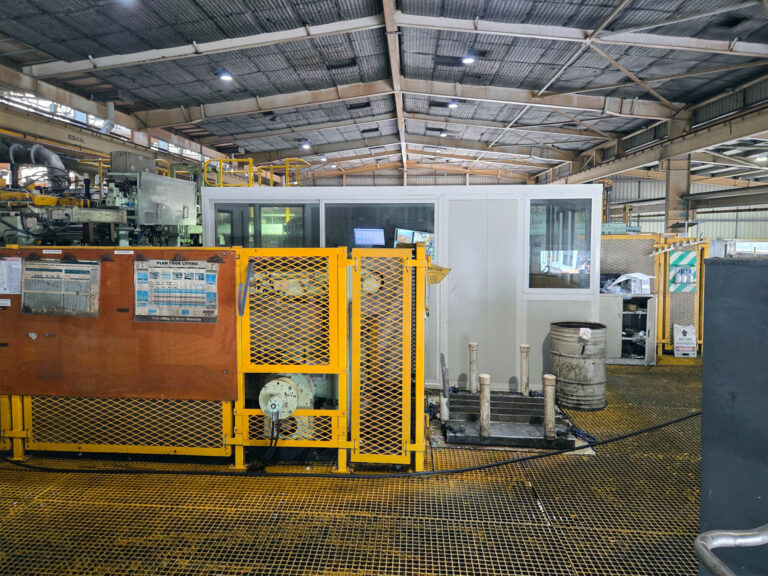
The infrastructure pipeline is growing. The approval pipeline is not.
There is more infrastructure in planning across Australia right now than at any point in the past twenty years. Defence, energy, resources, water, transport, and digital infrastructure are all in concurrent procurement or design. The… -
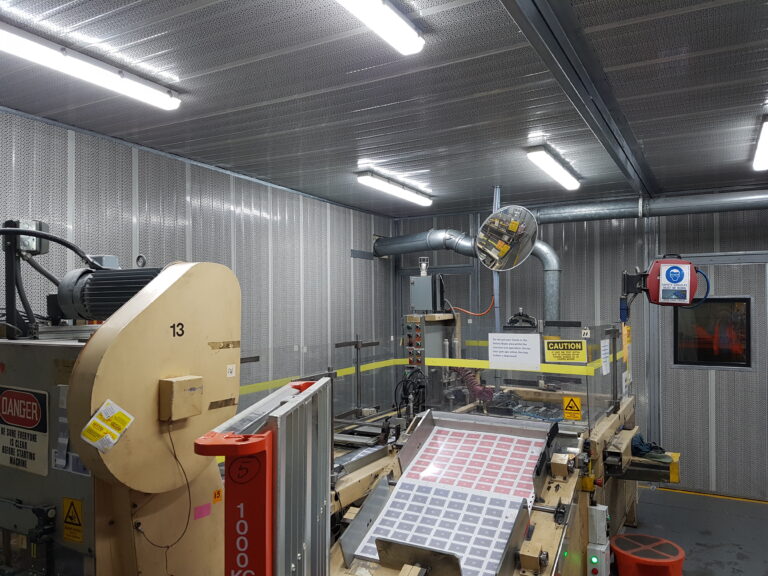
Why acoustic performance can be lost between design and construction
An acoustic treatment scheme that is well-designed and correctly specified can still fail to deliver its intended performance if the gap between design documentation and site execution is not actively managed. The mechanisms by which… -
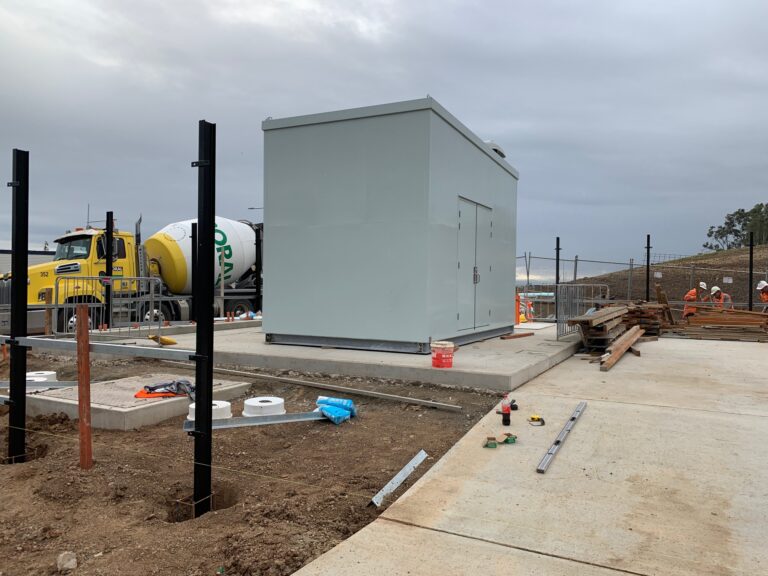
What energy and industrial facilities teach about acoustic treatment in harsh environments
Acoustic products installed in energy infrastructure and industrial facilities are subject to operating conditions that have no equivalent in commercial building applications. Coastal salt air, industrial chemical atmospheres, high UV exposure, mechanical impacts from maintenance…