Integrating generator acoustic performance from the start
For engineers and project managers, aligning design intent with sound limits before construction begins is paramount. That’s because environmental sound limits set the framework for every project. Once in place, they dictate performance requirements and shape the project’s direction from the outset.
For this reason, reactive treatment of sound is rarely successful. Late-stage acoustic considerations complicate compliance and often constrain project outcomes. Once plant is installed and pathways are set, adjustments can mean significant rework, extra materials, and operational compromises.
A compliance-first design approach changes this trajectory.
Planning around environmental sound compliance
Predictive modelling provides teams with insight into sound propagation before construction. Early identification of exceedances and their sources means issues can be resolved at the design stage, making changes more efficient and much less disruptive.
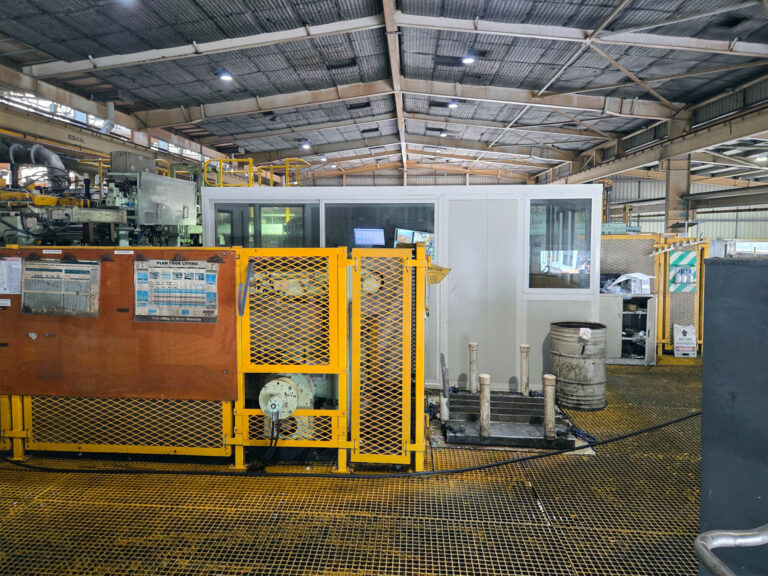
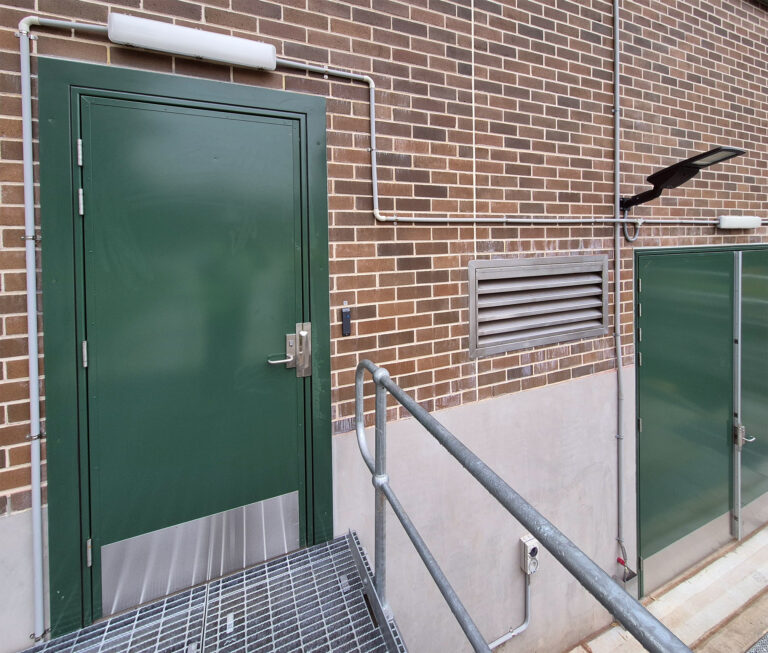
Openings are specified with acoustic louvres engineered to meet target reductions. Access points feature acoustic doors built to defined performance ratings. Enclosures use modular panel systems that deliver reliable attenuation across the board.
Sonic Series acoustic louvres, Sonic Access acoustic doors, and Sonic System modular panels work together as part of a coordinated response, not as an afterthought.
Talk to us about ensuring environmental sound compliance at your facility
At AcousTech, we approach every project with scientific rigour. Data drives our decisions, and we build performance in from the start. This approach positions compliance as an integral design outcome, rather than a final box to tick.
As part of the Flexshield Group, we’re dedicated to protecting people’s hearing.
To talk to the specialists at AcousTech, call 1300 508 232.
Trusted by engineers, built for performance.
The science of silence.