
From model to commissioning, closing the acoustic performance gap
An acoustic model produced at the design stage of an infrastructure project is only as reliable as its assumptions, and those assumptions have to survive procurement, fabrication, installation and every change in between. Acoustic commissioning then shows where the installed result landed. On its own it can’t explain a gap, unless someone tracked what changed…
An acoustic model produced at the design stage of an infrastructure project is only as reliable as its assumptions, and those assumptions have to survive procurement, fabrication, installation and every change in between. Acoustic commissioning then shows where the installed result landed. On its own it can’t explain a gap, unless someone tracked what changed along the way.
An acoustic model is a prediction from fixed inputs
A design-stage acoustic model is a prediction from a defined set of inputs. It assumes specific equipment, with sound power levels from manufacturer data or a comparable reference source. It assumes specific source locations, orientations and operating conditions; specific barriers, enclosures or building elements at specific positions, with specific sound reduction; and receiver locations, heights and ground conditions consistent with the project’s environmental noise criteria.
Every one of those inputs was a decision current when the model was run, and the output is valid only for that combination.
Where the chain breaks
Projects change between design and completion, and each change is a chance for a modelled input to shift without the model being revisited. A different fan or pump gets selected in procurement, with a different sound power level from the unit modelled. A source moves in detailed design to clear a structural or services clash, changing its distance and orientation to the nearest receiver.
An opening gets added for a service penetration, a louvre gets resized for a revised ventilation load, or a barrier gets shortened to clear an access route. A product is substituted during construction because the specified item was unavailable, without confirming that the substitute’s sound reduction matches. Each of these may be minor from a procurement or construction point of view. Acoustically, each one invalidates an input the model depended on, and the predicted outcome no longer describes the project being built.
Procurement, structural coordination, services design and construction sequencing all have legitimate priorities of their own, and the acoustic model is rarely the first thing anyone checks when a substitution or layout change comes up. The risk is built into how projects are delivered, so no single discipline owns it.
Track the changes that touch the acoustic inputs
Freezing every decision at design stage isn’t realistic on a live project. What works is tracking the changes that could plausibly affect the acoustic assumptions, then revisiting the model, or at least sense-checking each change against its inputs, when they happen.
That means documenting the acoustic assumptions clearly enough that someone outside the acoustic discipline can recognise when a change might matter, rather than leaving them inside a modelling file only the original consultant can read. Equipment schedules, source locations and specified treatment performance are the inputs to flag for review whenever they change.
A short register of the key assumptions, covering equipment sound power levels, source and receiver locations and specified treatment performance, gives the team a quick reference to check proposed changes against without reopening the full model each time. Where a change clearly falls outside those assumptions, that’s the trigger to revisit the model properly.
Product data is one of the more stable inputs
Verified product data is one of the more stable inputs in the chain, provided the product installed matches the product specified. Our V50 and V100 Sonic System acoustic modular panels and our single and double-leaf Sonic Access acoustic doors carry NATA-accredited laboratory testing, which is the kind of input a model needs to stay valid. Sonic Series acoustic louvres are assessed to AS 1191-2002 and rated to AS/NZS ISO 717.1, with full performance data available on request.
Where a product is swapped for another supplier’s item during procurement, check the substitution against the acoustic model the same way as an equipment or layout change. A similar headline rating doesn’t make it like-for-like.
A staged BESS or data centre project
A BESS or data centre project with staged delivery shows how fast the chain can break. A model developed for planning approval might assume a specific inverter or cooling unit, a defined enclosure layout, and receiver locations based on the approved site plan.
By procurement, a different inverter with a higher sound power level may be selected for availability, the enclosure layout may shift to suit a revised electrical design, and a neighbouring property may have been rezoned or developed, moving the nearest receiver. None of these is unusual on a staged infrastructure project, and none is a problem if it’s checked against the model when it happens. The problem comes when several accumulate without review and the model behind the original approval no longer reflects the project being commissioned.
Commissioning measures the result, not the cause
Post-installation measurement to AS 1055, the Australian standard for describing and measuring environmental noise, gives evidence of the levels the completed installation produces under real operating conditions. It confirms whether the installed result meets the project’s noise criteria at the point measured. It doesn’t explain why a result differs from the model, and identifying a shortfall doesn’t fix it.
Where commissioning doesn’t match the prediction, work back through the chain: equipment as installed against equipment as modelled, source locations as built against source locations assumed, treatment as installed against treatment as specified. Often the gap traces to one or more of the changes above, and the commissioning result is the evidence that a change which seemed acoustically minor at the time was not.
Carry the assumptions through every stage
Acoustic performance on an infrastructure project is carried through equipment selection, source location, detailed design, fabrication, installation and construction, and each decision can preserve or undermine the model’s assumptions. Commissioning shows where the installed project sits against design intent. It’s most useful when the assumptions have been tracked through every stage that could affect them, so a result, on target or short, can be traced to a specific cause.
Related Stories
-
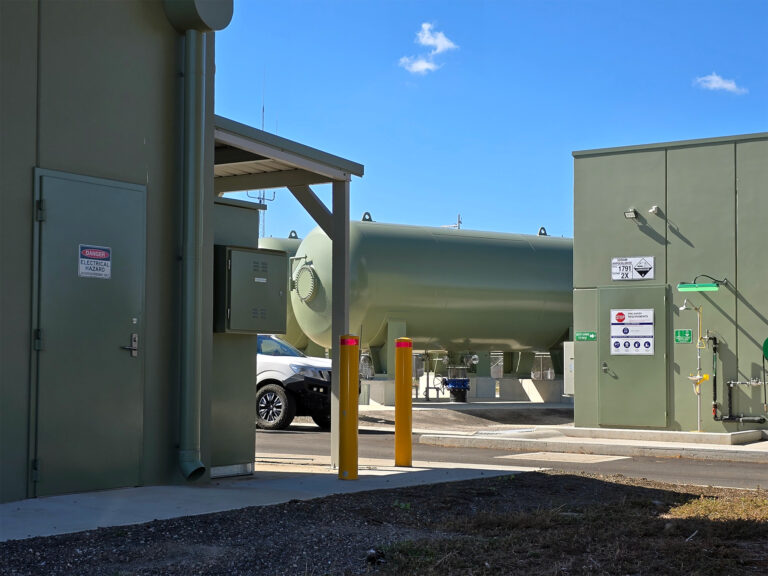
What NATA-accredited acoustic data tells a specifier and what it does not
A NATA-accredited test report is one of the strongest pieces of evidence in acoustic testing and specification, and one of the most often misread. Accreditation confirms something specific about the laboratory that produced the result…. -
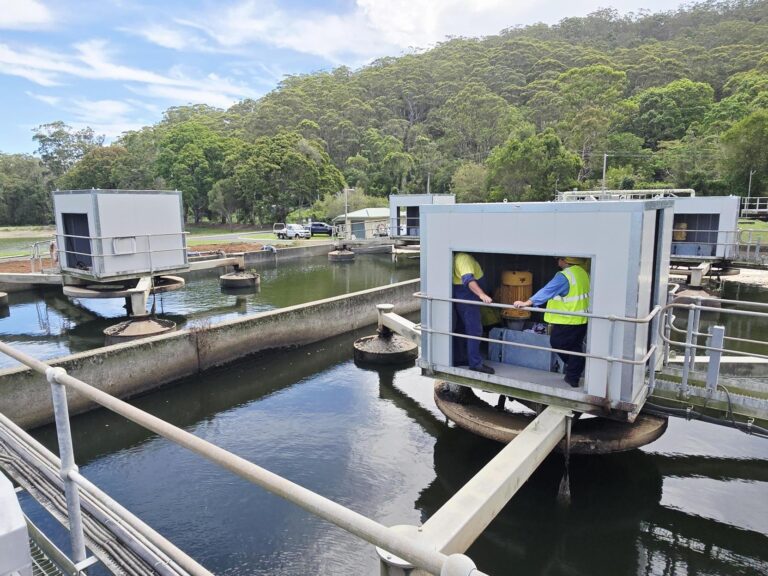
Design for maintainability, keeping acoustic treatments workable over the asset life
An acoustic enclosure that meets its target reduction on commissioning day has only shown part of what it has to do. Industrial plant is serviced, inspected, adjusted and eventually replaced over an asset life that… -
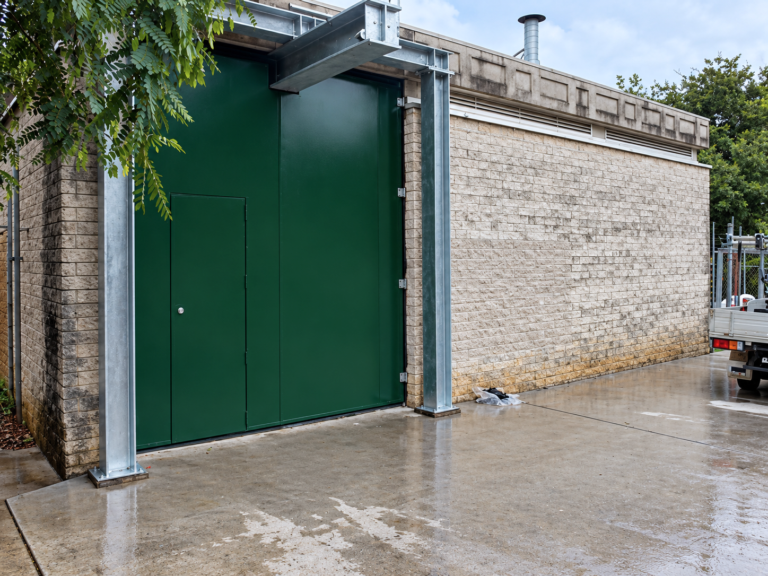
Service penetrations and acoustic integrity, small openings, large consequences
An acoustic wall, enclosure or plant room separation is specified and tested as a continuous assembly, and it rarely stays continuous once services go in. Cable trays, conduits, pipes, ducts and drainage all have to…