-
Backed by the Science of Silence
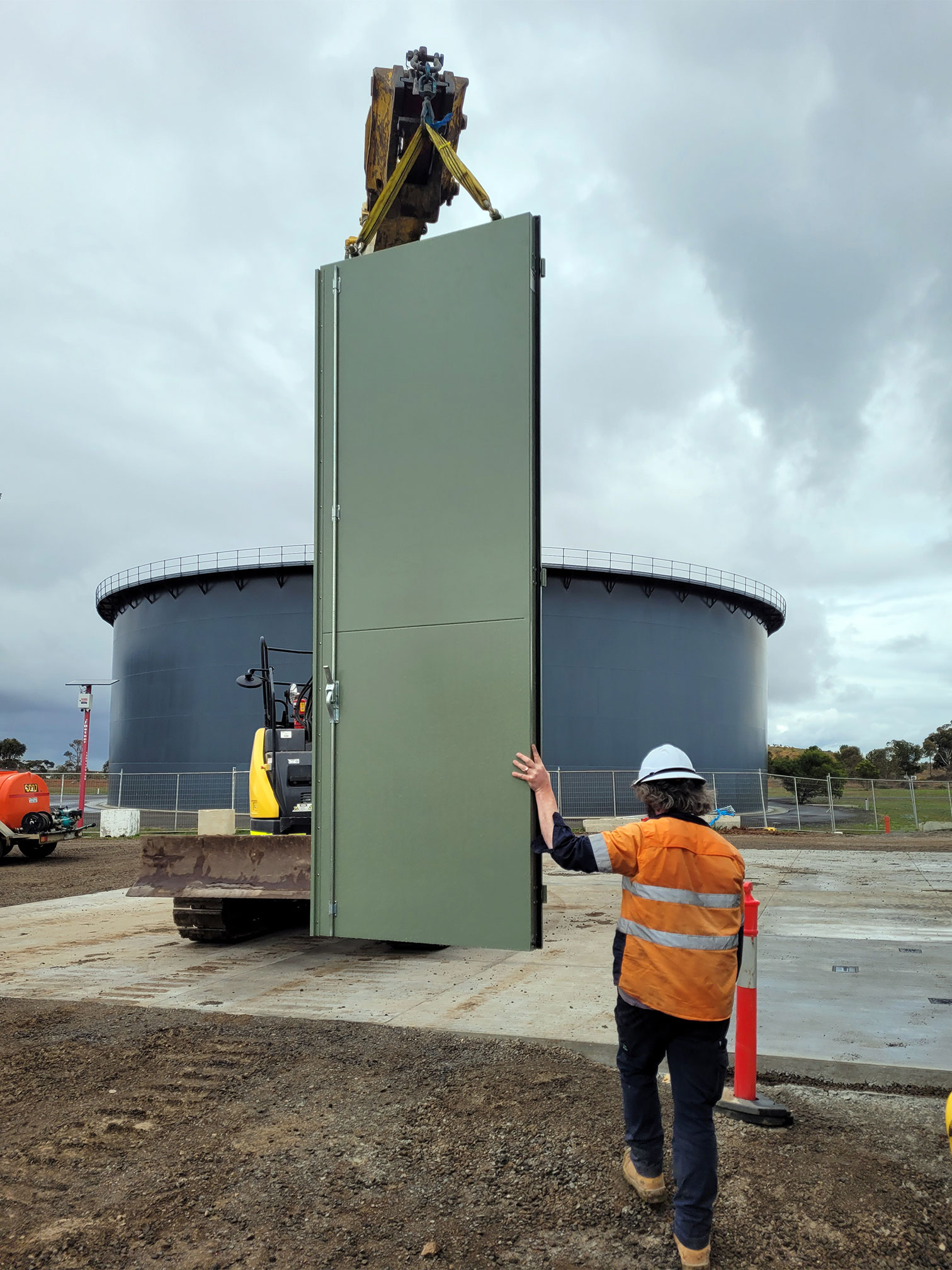
Specified by engineers across infrastructure and industrial projects for verified acoustic performance and a profile that fits without compromise.
Key Applications
Sonic Access acoustic doors deliver airborne sound insulation of Rw 46dB (single-leaf) and Rw 45dB (double-leaf), with an Rw 52dB option available for higher performance requirements. They’re specified on infrastructure and building services projects where noise from plant and equipment has to be contained.
Typical applications
-
Data centres and BESS infrastructure
- Plant rooms and mechanical services areas
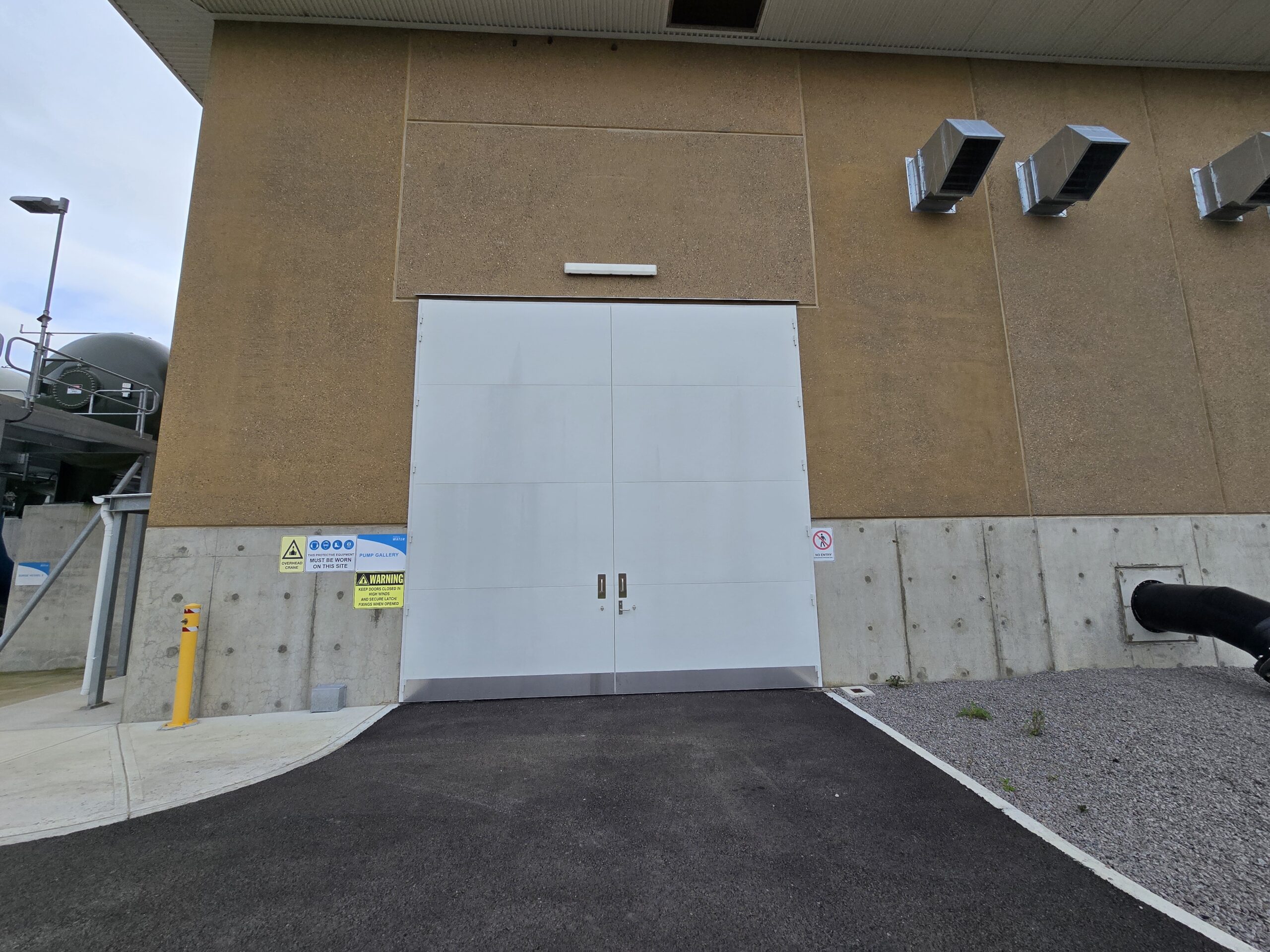
- Pump stations and water treatment infrastructure
- Power generation facilities and substations
- Manufacturing and processing plants
- Acoustic enclosures and equipment housings
- Control rooms in industrial environments
Performance
Sonic Access single-leaf door
- Acoustic rating: Rw 46dB, confirmed by NATA-accredited laboratory testing
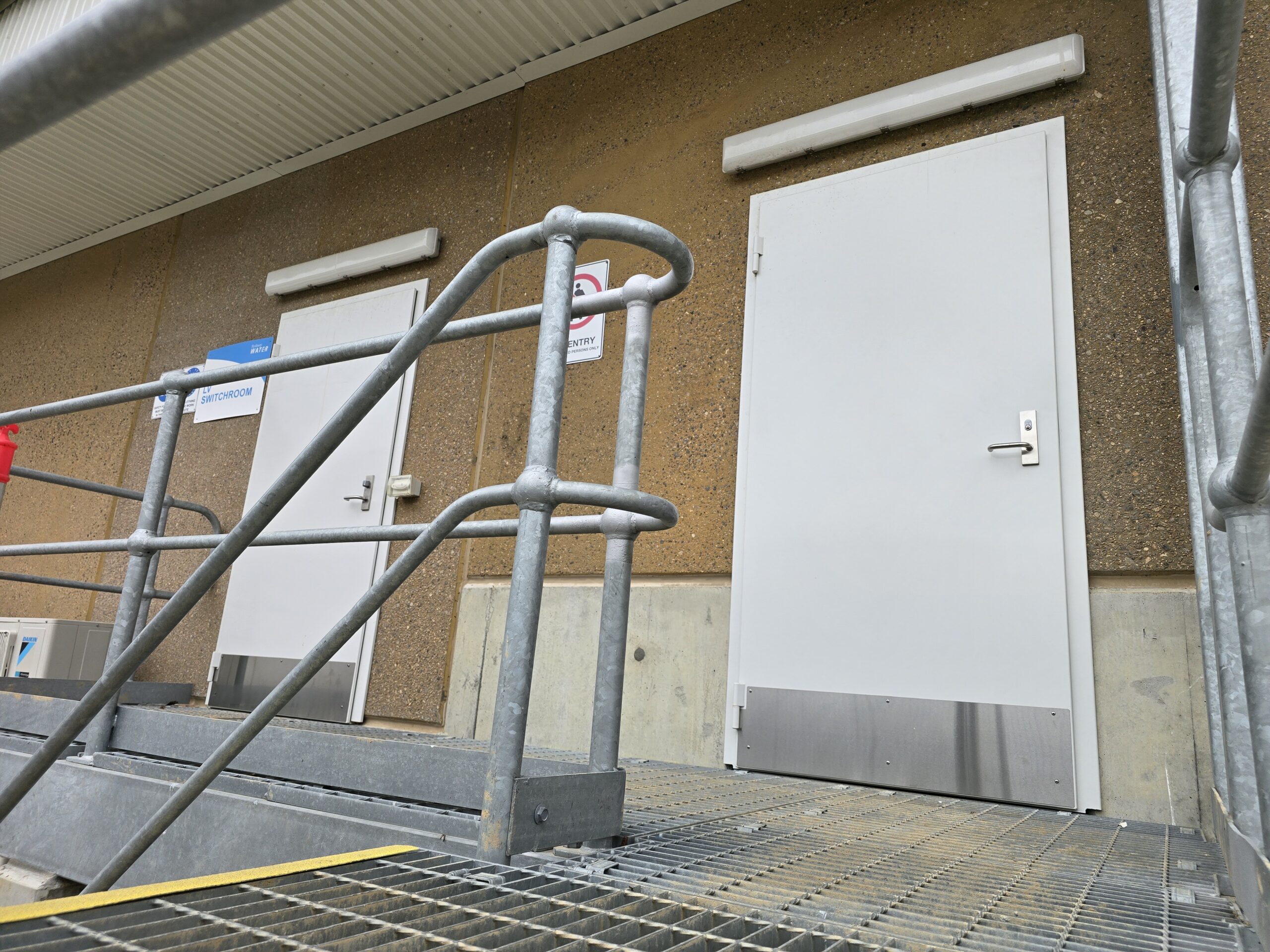
- Application: Personnel access in high-noise industrial environments.
- Typical locations: Plant rooms, mechanical services areas, control rooms, processing facilities, equipment enclosures
- Function: Maintains acoustic separation while allowing routine operational access
Sonic Access double-leaf door
- Acoustic rating: Rw 45dB, confirmed by NATA-accredited laboratory testing
- Application: Wide access openings where sound isolation has to be maintained.
- Typical locations: Pump stations, substations, water infrastructure, energy facilities, defence projects, manufacturing plants, acoustic enclosures.
- Function: Provides large-span access without reducing acoustic performance
Construction
Construction
- Heavy-duty internal and external steel face sheets
- High-density acoustic core with mass-loaded composition
- 80mm overall door thickness
- Acoustic performance confirmed by NATA-accredited laboratory testing
Sealing system
- Dual runner compression seals.
- Full perimeter frame seal.
- Resistant to dust, draught and vermin.
- Maintains acoustic integrity across the full assembly.
Structural design
- Self-supporting rigid steel frame.
- Reinforced sectional portal frame.
- Pin-type hinges.
- Suits high-load industrial environments
Testing & Compliance
Acoustic verification
Tested in accordance with AS 1191-2002. Rw determined to AS/NZS ISO 717.1-2004. Testing conducted at RMIT University, a NATA-accredited laboratory.
- Single-leaf: Rw 46dB
- Double-leaf: Rw 45dB
Full frequency attenuation data available on request.
Quality assurance
Manufactured to relevant Australian Standards. NATA-accredited laboratory test reports, sound transmission loss frequency tables and laboratory verification certificates are available for each door configuration
How To Specify
Customise to fit your project
We work with engineers, builders and facility managers to specify each Sonic Access door to suit the project.
Options include
- Single or double leaf configuration
- SonicFix pre-hung frame system
- Vision panels
- Door closers and kickplates
- Panic bars and single, double or triple-point locking
- High security and electric hardware
- Powder-coat finish in a wide colour range, or galvanised, aluminium or stainless steel
- Project-specific hardware configurations available on request.
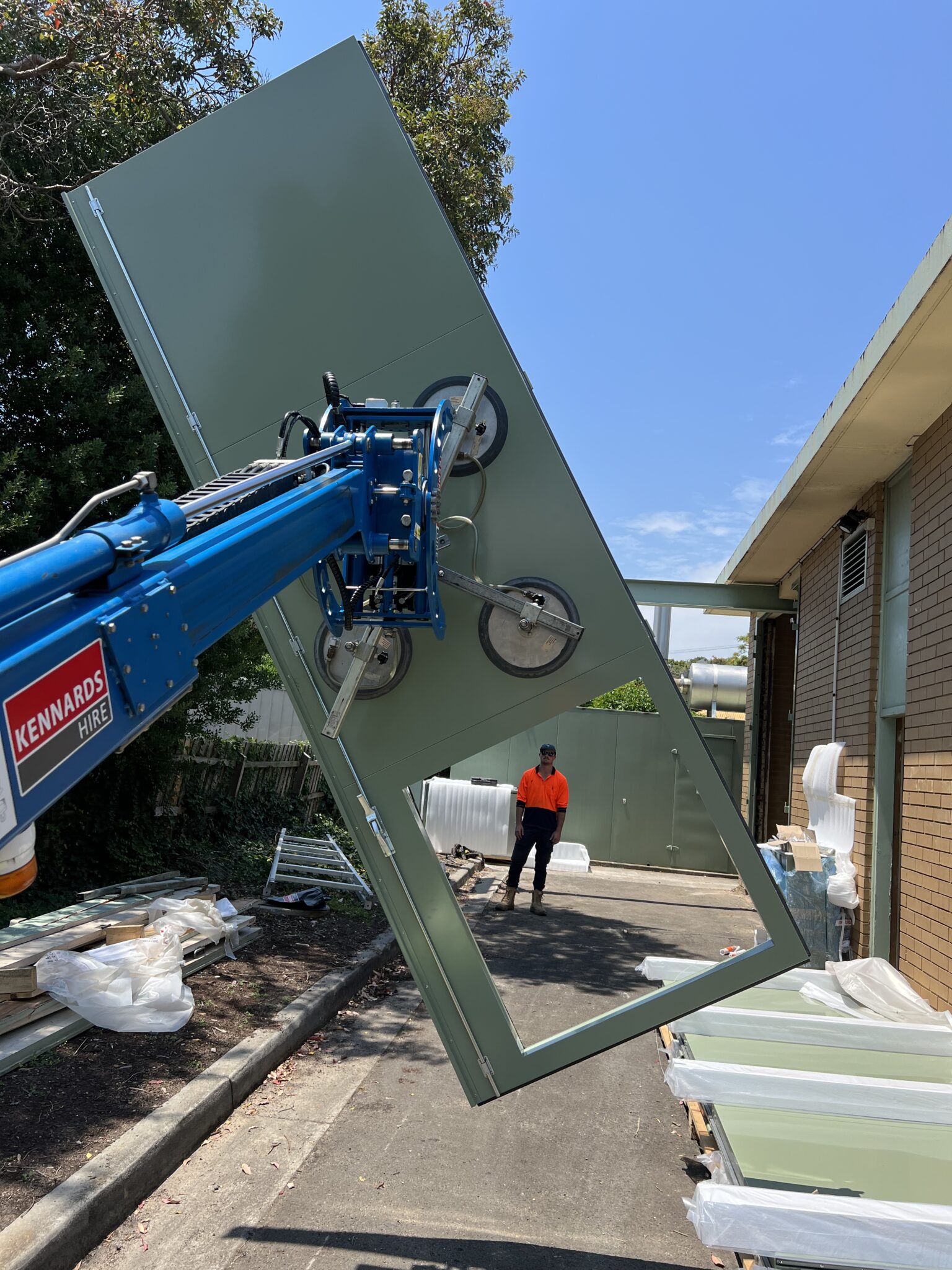
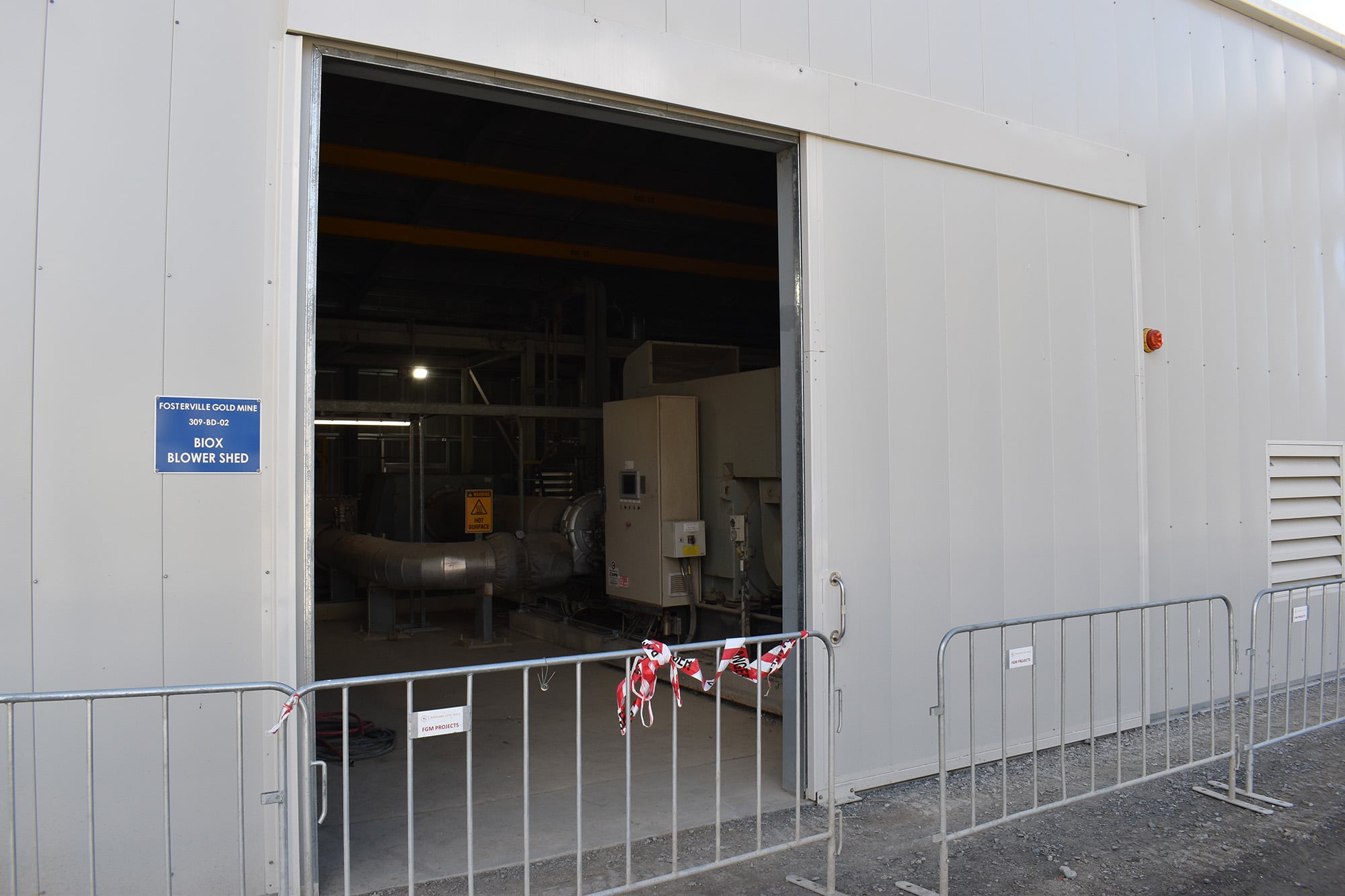
Photo & Video Gallery
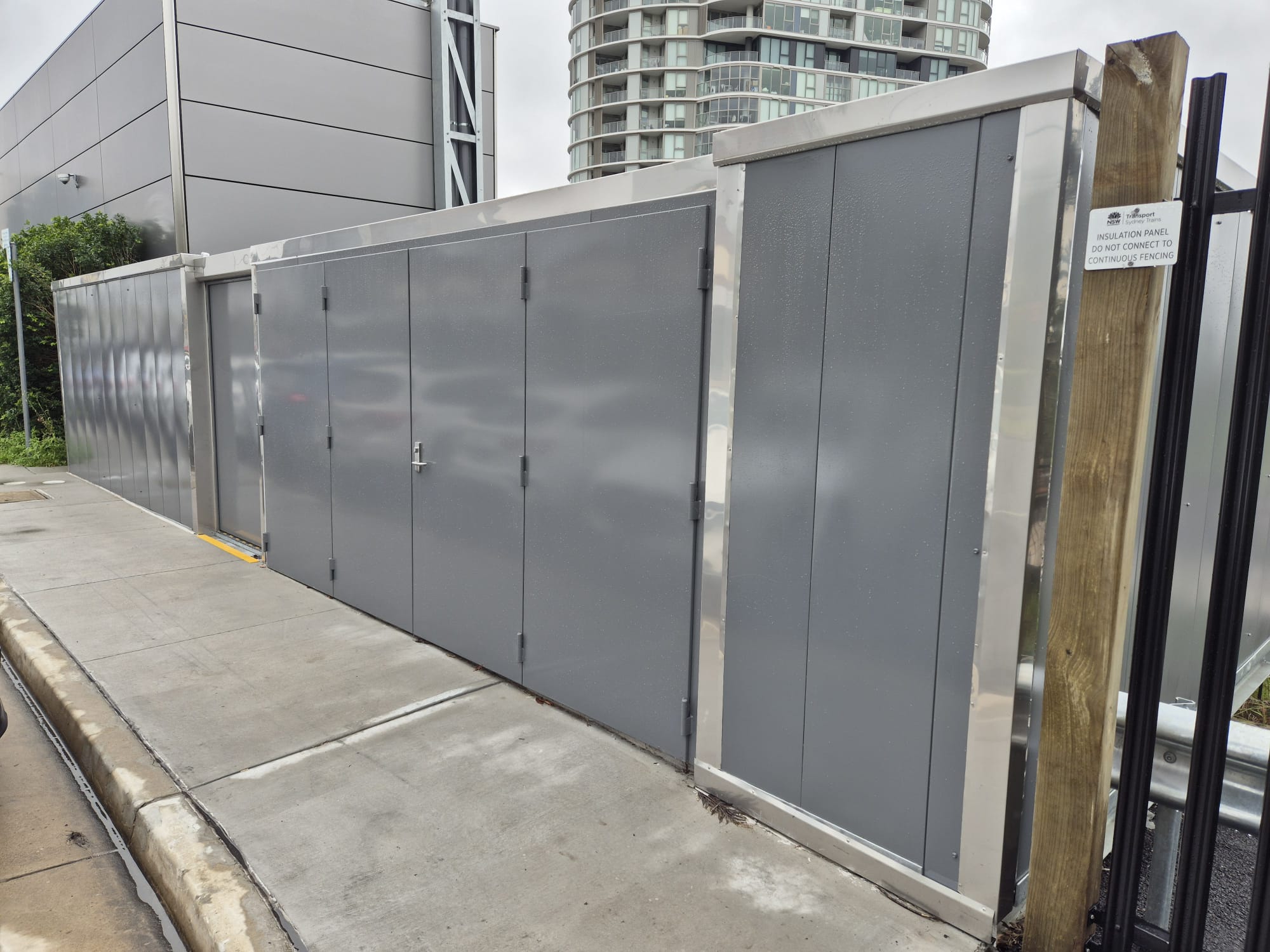
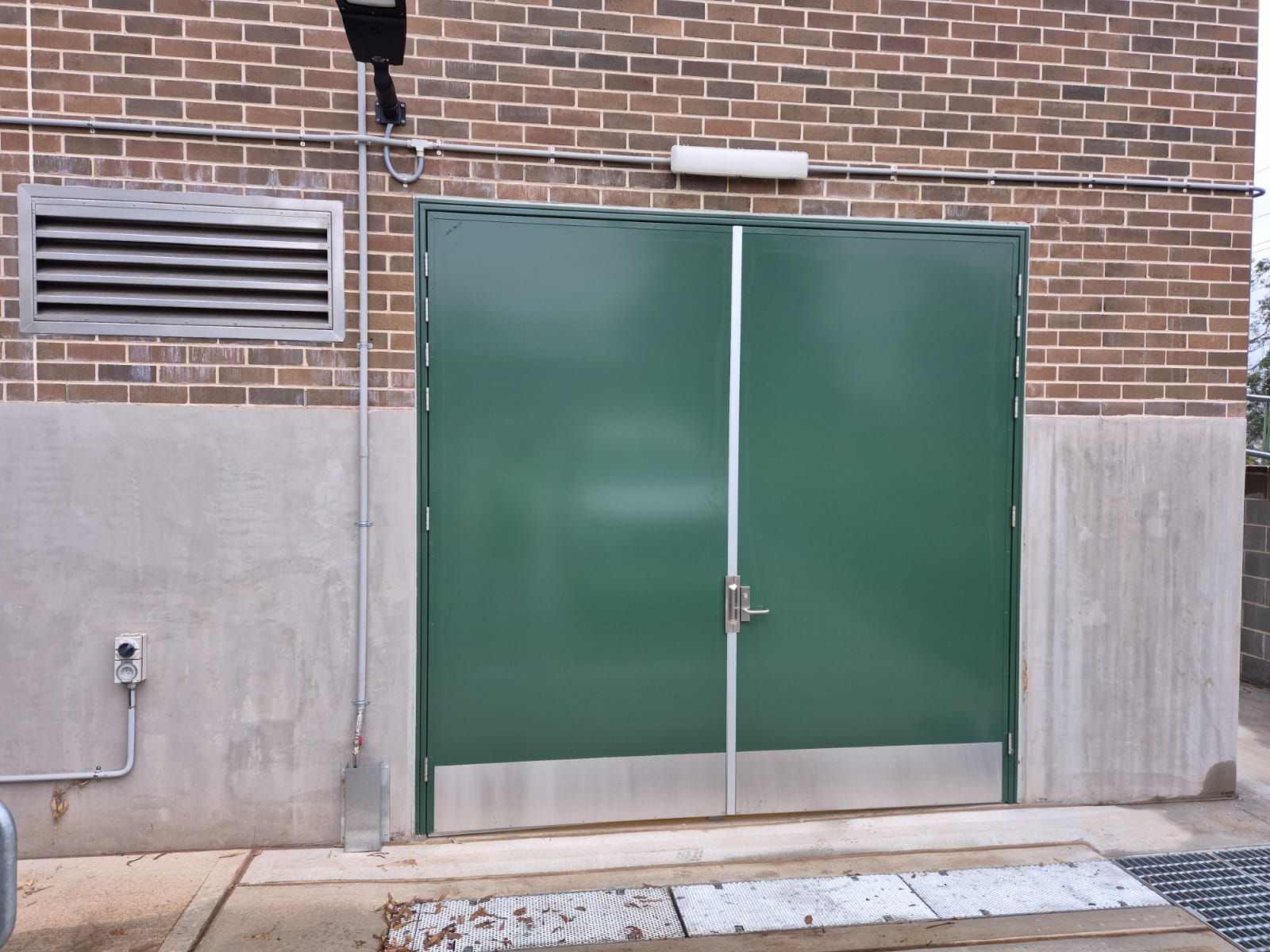
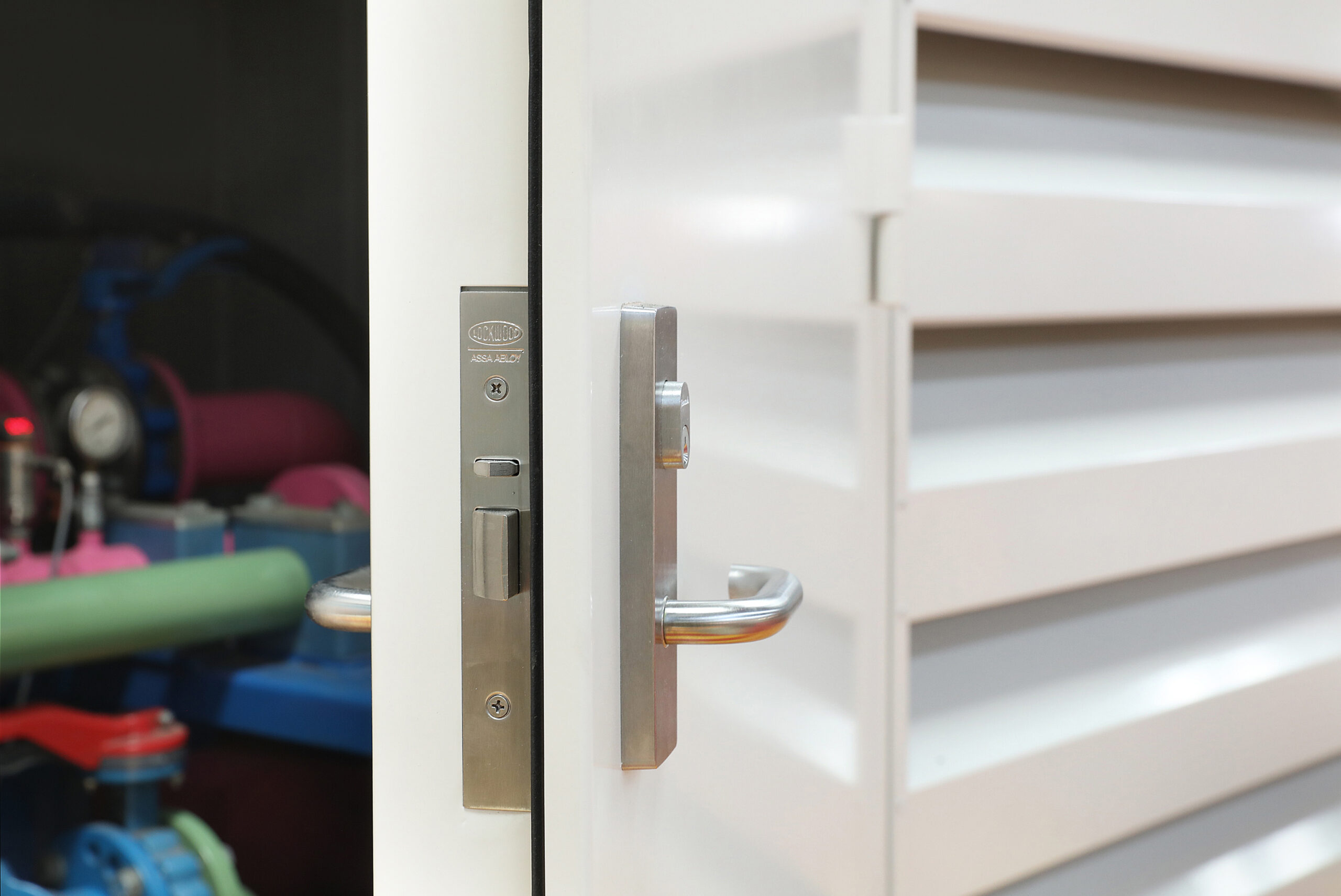
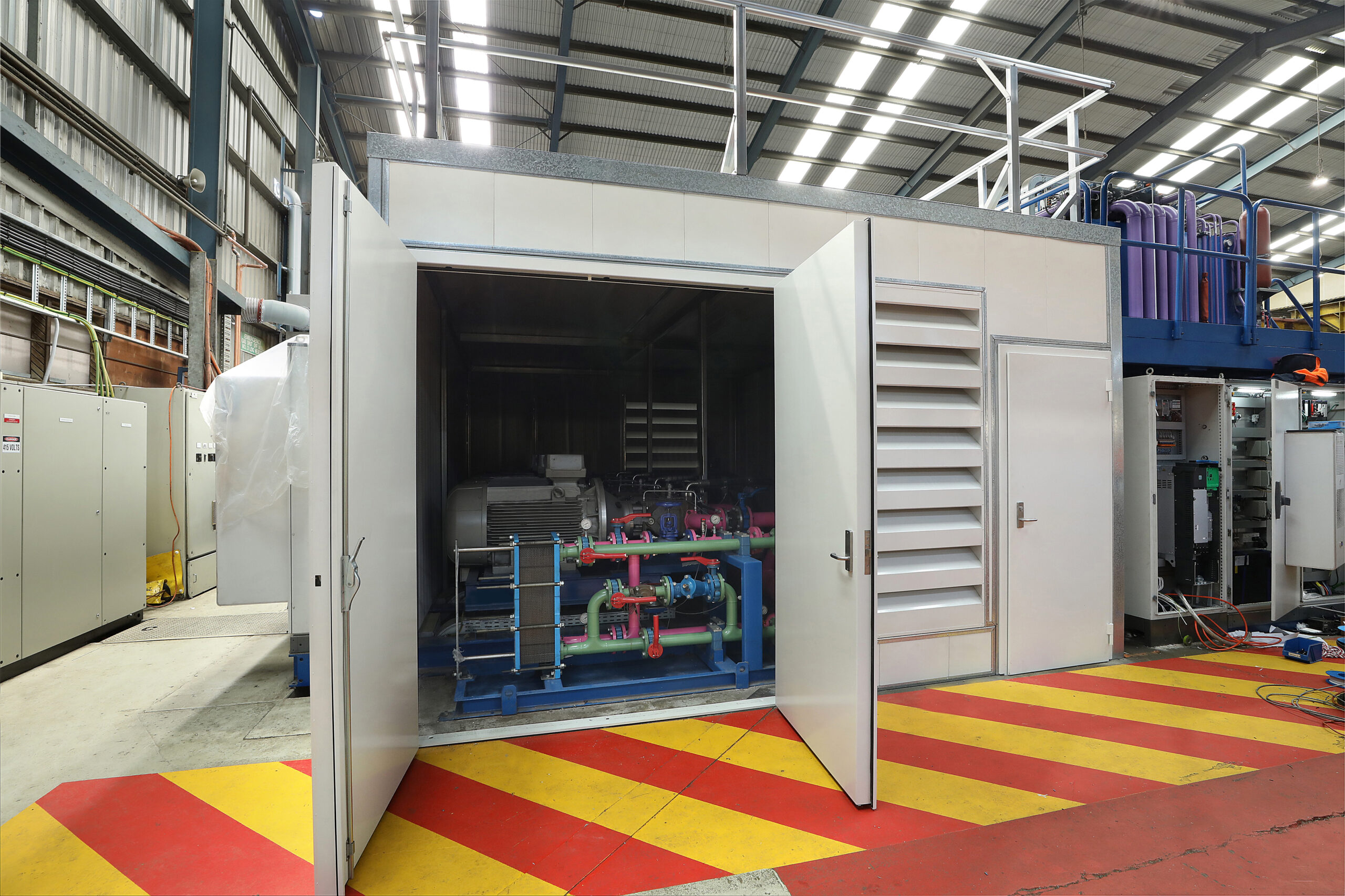
Bringing silence to these brands
















Case Studies
-
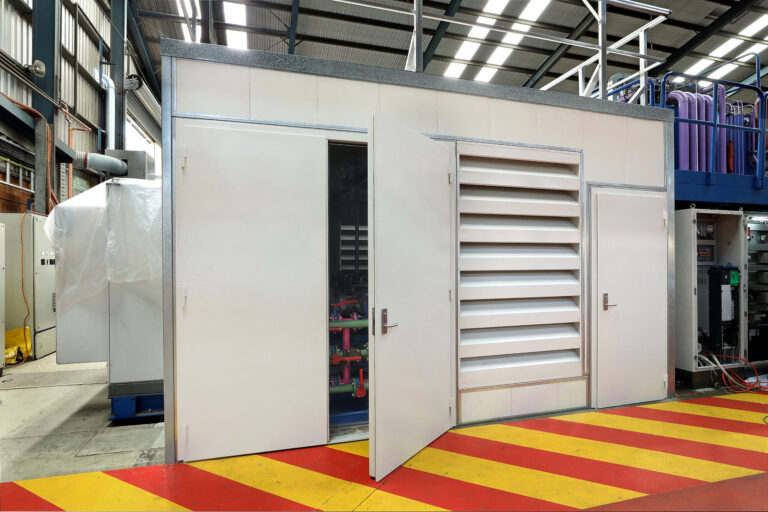
Sonic System acoustic modular panel enclosure contains hydraulic pump noise
When they set out to establish a new Trade Training Centre, Melbourne Polytechnic knew they needed to cater to students’ welding training needs while also…
Frequently Asked Questions
Get
the
silent
treatment