
Service penetrations and acoustic integrity, small openings, large consequences
An acoustic wall, enclosure or plant room separation is specified and tested as a continuous assembly, and it rarely stays continuous once services go in. Cable trays, conduits, pipes, ducts and drainage all have to cross from one side to the other, and every crossing is an opening that wasn’t in the tested construction. Service…
An acoustic wall, enclosure or plant room separation is specified and tested as a continuous assembly, and it rarely stays continuous once services go in. Cable trays, conduits, pipes, ducts and drainage all have to cross from one side to the other, and every crossing is an opening that wasn’t in the tested construction. Service penetrations are one of the most consistent sources of lost acoustic performance, and they need sealing and coordination planned before the trades arrive.
A small opening has a disproportionate effect
Sound transmission through a barrier is dominated by its weakest path, not its average condition. A wall with a high sound reduction rating can still pass a large amount of sound through a small unsealed gap, because an air path offers almost no resistance compared with the solid construction around it.
The principle is composite transmission loss. Transmission through a small area of low resistance can dominate the result for the whole assembly, even when that area is a tiny fraction of the surface. In practice, a cable penetration a few centimetres across, left unsealed or poorly sealed in an otherwise well-specified panel wall, can measurably reduce the sound reduction the assembly achieves.
Where penetrations occur
On industrial and construction sites, the penetrations that most often compromise acoustic assemblies include cable trays and electrical conduits between plant rooms and switch rooms; pipework carrying process fluids or cooling water; ventilation and exhaust ductwork; instrumentation and control cabling; structural interfaces where a barrier meets a beam, column or slab; floor-level drainage; access openings left for tooling or lifting during construction; and installation gaps nobody revisits once the main works are complete.
Each has a different sealing requirement. Each is usually installed by a different trade, on a different schedule, often well after the acoustic assembly has been signed off.
Acoustic, fire and movement sealing are separate requirements
A penetration seal has to meet several requirements at once, and treating it as one generic task is where problems start. Acoustic sealing closes the air path to reduce sound transmission. Fire sealing, governed in Australia by AS 4072.1 and tested to AS 1530.4-2014, maintains the fire-resistance level of the wall or floor the penetration passes through.
These are different test regimes addressing different failure modes. A product that performs well acoustically hasn’t necessarily been tested or certified as a fire-stopping system, and a certified fire-stopping system hasn’t necessarily been assessed acoustically.
The seal also has to accommodate movement from thermal expansion, vibration or minor structural deflection without cracking or working loose over time. Where the assembly is exposed to weather, moisture ingress at the same interface is a further, separate consideration. Don’t assume a generic acoustic sealant meets fire, movement or environmental requirements just because it went in at the same location.
Coordination between trades is where performance is lost
Acoustic assemblies are usually installed early. Electrical, mechanical and hydraulic services are often coordinated later by different subcontractors, working from services drawings that may not carry the acoustic detail of the architectural or specialist acoustic drawings. Where a penetration isn’t shown on the acoustic drawing, or is added after the assembly is complete, there’s a real risk nobody on site treats sealing it as part of their scope.
Late service changes compound this. A cable route added during commissioning, a pipe moved to avoid a clash, or a duct resized after the design was issued all create penetrations that were never part of the original acoustic coordination. Without a defined process for reviewing and resealing penetrations whenever services change, they accumulate as untreated openings in an assembly specified to a defined performance target.
Maintenance access carries the same risk
Penetrations aren’t only a construction-phase issue. Access panels, removable sections and points where equipment is periodically disconnected for servicing are penetrations in the broader sense, and each needs resealing to the original standard every time it’s opened. An access point that’s quick to open but loosely refitted will degrade the assembly over the life of the asset, even if the original installation was sealed correctly.
Pump stations and water treatment sites
Pump stations and water treatment sites show the problem clearly. They combine acoustic enclosures with dense service runs for process piping, electrical supply and control cabling, often in a wet or corrosive environment where seals also have to resist moisture and chemical exposure over time.
An enclosure built to contain pump or blower noise can have every panel, louvre and door correctly rated and still under-deliver if the mechanical trade sealed the pipe penetrations with whatever generic sealant was on the truck that day, rather than a product assessed for acoustic performance, movement and environmental exposure together. The shortfall is rarely traced to the enclosure panels. It’s traced to penetrations that were never part of the acoustic scope.
Plan penetrations at the same stage as the assembly
Identify and coordinate service penetrations at the same stage as the acoustic assembly itself. Our Sonic acoustic enclosures are designed to include cable, duct and service penetrations from the outset, alongside ventilation, access and lifting provisions, because retrofitting a penetration into a completed enclosure is far harder to seal correctly than planning for it.
The same applies to acoustic walls and plant room separations built from Sonic System acoustic modular panels, where Sonic Access acoustic doors provide a tested, sealed access route instead of an ad hoc opening cut into the assembly. Where services are revisited later, check the resealing against the original acoustic, fire and environmental requirements together, whatever material happens to be on hand.
Seal every penetration to all three requirements
Acoustic integrity is often decided at the interfaces between trades. A well-specified assembly with an unsealed or wrongly sealed penetration won’t deliver its rated performance, and the shortfall has nothing to do with the panel. Identify every service penetration at design stage, seal each one to the right combination of acoustic, fire and environmental requirements, and keep that seal intact whenever access is needed.
Related Stories
-
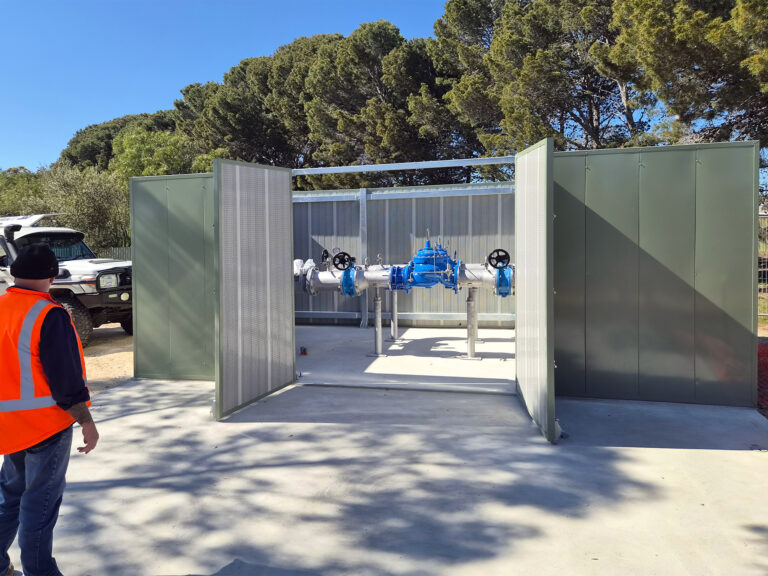
Flanking paths, why tested acoustic performance can disappear after installation
An Rw rating from laboratory testing is real, and it describes what an element achieves under the conditions it was tested in. It doesn’t automatically describe what the same panel, door or enclosure will achieve… -
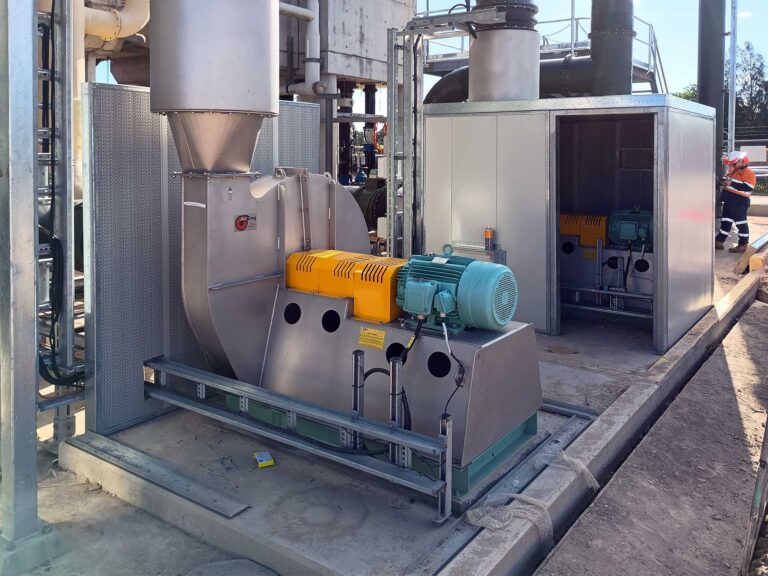
Acoustic walls and enclosures, how to decide which approach fits the plant
Whether a noisy piece of plant gets an acoustic wall or a full acoustic enclosure is often settled on budget, with the enclosure cast as the better option and the wall as the cheaper fallback…. -
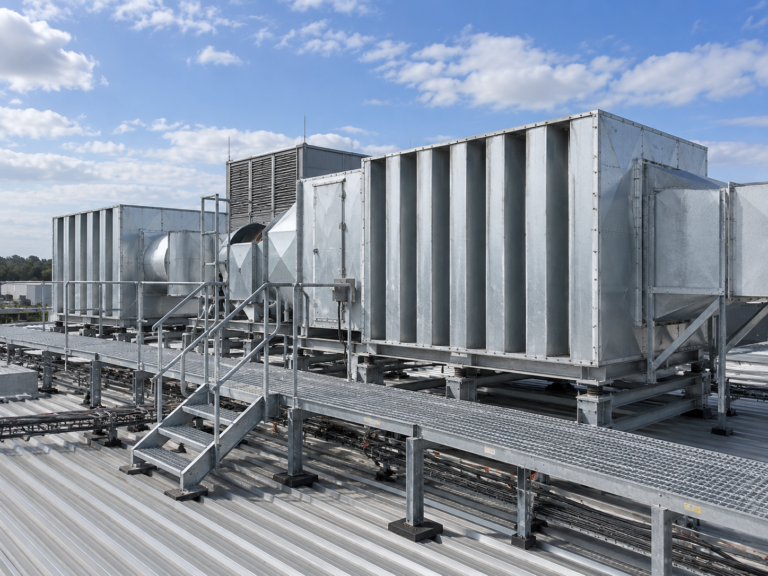
Attenuator sizing, balancing insertion loss, airflow and pressure drop
An attenuator selection sheet usually contains two numbers that people look at and one that decides whether the selection works. The two are insertion loss and pressure loss. The one is airway velocity, and it…