How data at project start ensures compliant outcomes
Building acoustics into the plan
Projects achieve the best results when acoustic performance metrics are embedded early in the design process. This prevents compliance challenges, reduces rework, and supports a smooth path through planning and environmental approvals.
The clarity gained with early stage acoustic performance metrics gives every stakeholder a roadmap. It also means teams can prevent future issues, rather than responding to them once construction is already underway.
Predicting the behaviour of future spaces
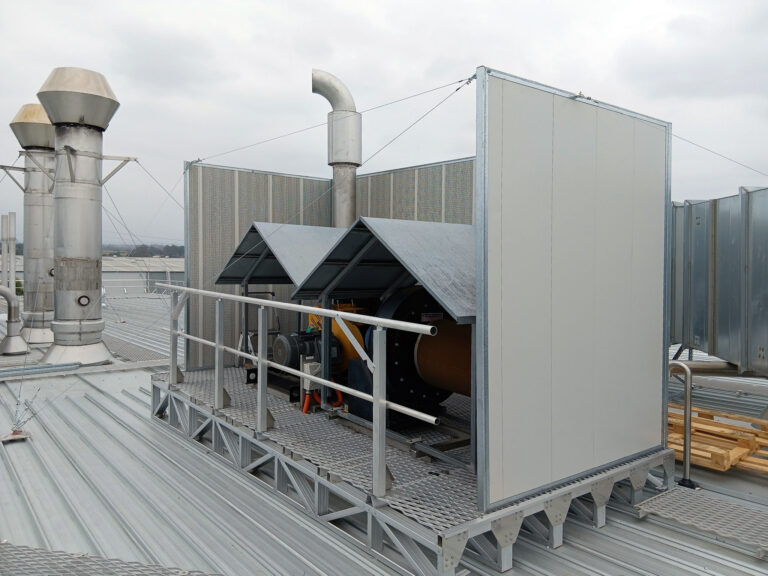
Every plant, facility, or infrastructure asset has an acoustic profile shaped by equipment selection, layout, materials, and ventilation openings. Using LAeq and octave band assessments at design phase allows AcousTech to model these conditions accurately.
For example, a pump station may appear compliant on average levels but could fail at night if tonal components are present. Measuring early stage acoustic performance metrics reveals this before procurement or fabrication begins.
Stopping problems before they reach site
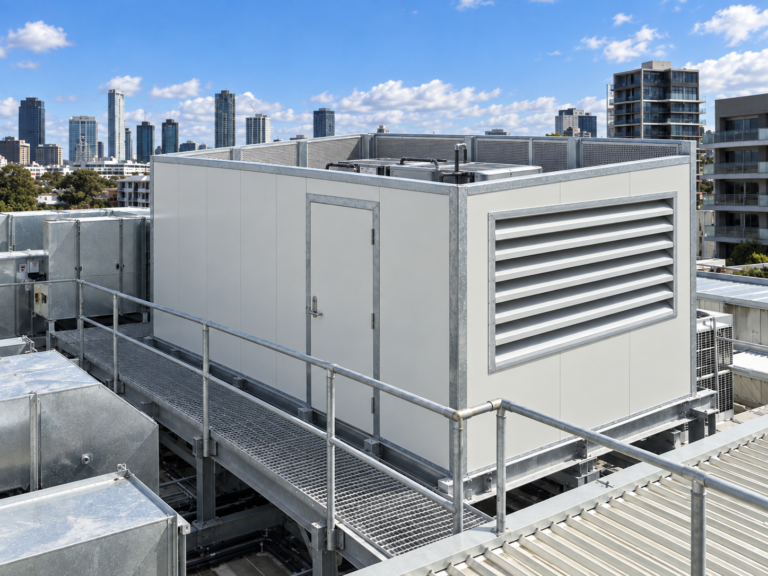
Field acoustic performance often changes when walls, penetrations, and structural connections are introduced. Rw requirements and flanking paths must be understood right from the start – not during installation.
This prevents situations where a lightweight partition is placed next to a high-output compressor, or where an opening unintentionally undermines boundary compliance.
Strengthening collaboration through shared data
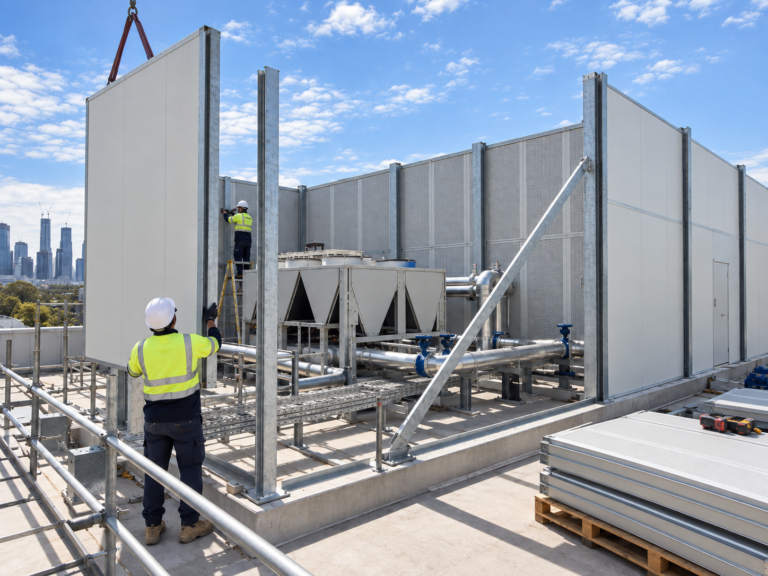
When architects, acoustic consultants, mechanical engineers, and builders rely on the same metrics, alignment becomes simple. Data removes ambiguity and allows teams to coordinate around performance targets.
This approach reflects the Flexshield Group philosophy:
- Begin with accurate information
- Design with clarity, and
- Deliver outcomes that stand up to real-world testing.
Make sure compliance is built in, not just bolted on
By shaping projects around early stage acoustic performance metrics from day one, compliance becomes an inherent part of the design. This produces more predictable construction and better long-term operation.
To talk to the specialists at AcousTech, call 1300 508 232 .
Trusted by engineers, built for performance.
That’s the Science of Silence.