Because silence doesn’t just happen naturally
In large-scale infrastructure projects, noise is one of the most underestimated risks. It creeps in through plant rooms, reverberates off hard surfaces, and travels far beyond the project boundary. Yet too often, it’s only addressed when it’s already a problem.
At AcousTech, we take a different approach. We work with engineers and designers to treat noise not as a wildcard, but as a known variable. That’s because managing sound isn’t just about compliance – it’s about control, clarity and community acceptance.
Here’s how to fit infrastructure acoustic solutions into the project lifecycle, and ensure they add value at every step.
1) Base decisions on real-world acoustics
Before designs are drawn or equipment is ordered, you need to know what kind of acoustic landscape you’re working with. Early-stage analysis gives you insight into:
- The site’s ambient noise levels
- Sensitive receptors such as homes, schools or healthcare facilities
- Applicable regulations and operating thresholds
From there, you can set realistic targets and understand what your design needs to achieve acoustically.
2) Let the noise control design do the heavy lifting
When noise is designed out before it’s built in, the results speak for themselves. At AcousTech we work with infrastructure design teams to integrate engineered noise control systems at the right scale for the project.
This could include:
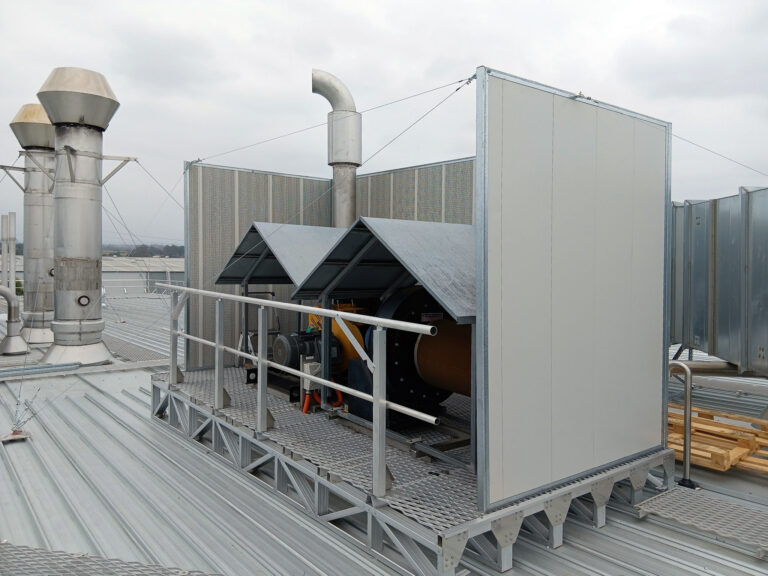
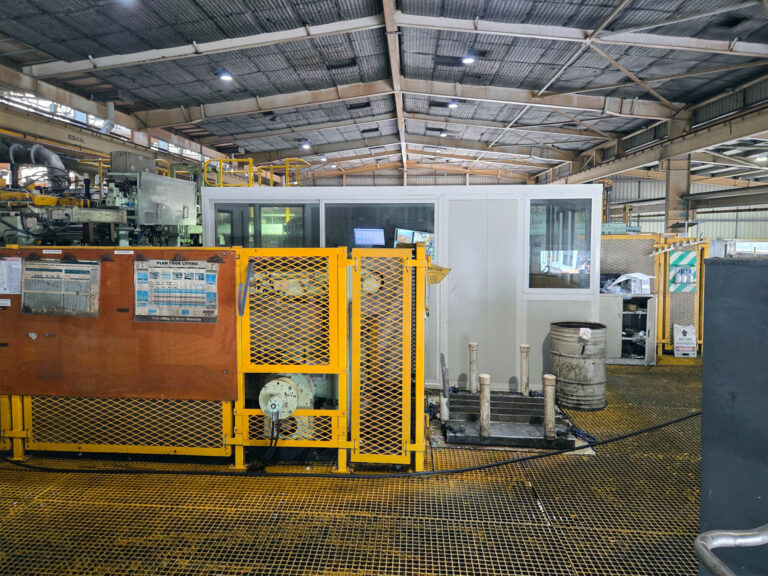
- Sonic acoustic enclosures for pumps, compressors or backup generators
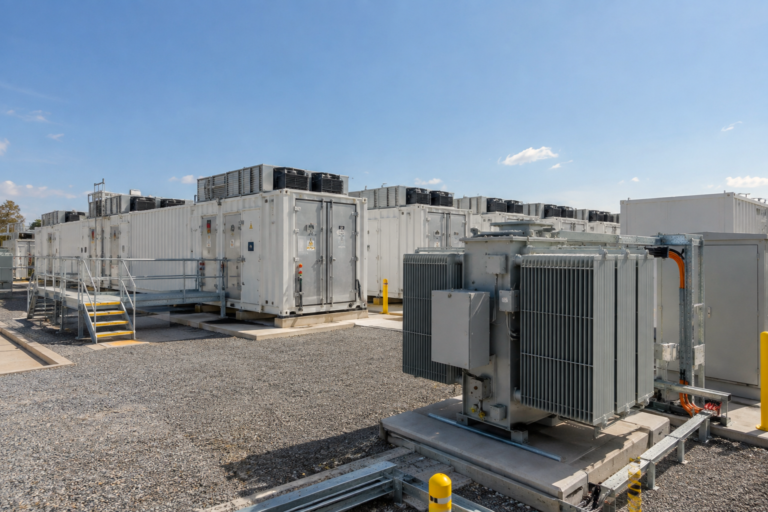
- Modular barrier systems built with Sonic System acoustic panels
- Sonic Series acoustic louvres, where ventilation and noise reduction need to work together
Done well, these solutions disappear into the infrastructure: quiet, compliant, and performing as specified.
3) Specify equipment with noise in mind
Some plant noise is unavoidable. But the right selection and maintenance program can drastically reduce its impact.
- Where possible, opt for low-noise machinery or acoustic-rated versions
- Factor in maintenance access when designing enclosures
- Ensure sound pressure levels are verified, not assumed
This stage is often where acoustic enclosures, doors or louvre systems are introduced, with performance tuned to real site data.
4) Consider how construction will sound
Noise doesn’t wait for handover. In fact, construction can be one of the noisiest phases of a project’s life. Tactics like these can help minimise its footprint:
- Plan high-noise activities during standard working hours
- Use alternative methods like vibratory piling instead of impact driving
- Deploy temporary noise barriers in sensitive locations
Goodwill is easier to maintain when noise impacts are actively managed.
5) Monitor infrastructure acoustic solutions once operational
Infrastructure is built to last. So are its acoustic risks, if you don’t stay on top of them. Once the site is operational, ensure that:
- Monitoring systems are in place and calibrated correctly
- Any post-commissioning adjustments are documented and implemented
- A clear feedback process exists for any noise-related complaints
It’s easier to preserve community trust than to rebuild it.
Sound planning leads to smarter outcomes
Noise control doesn’t need to be reactive. With the right partner, infrastructure acoustic solutions become a quiet strength in your project’s success. It reduces rework, avoids complaints, and protects people across the lifecycle.
If you’re working on a complex infrastructure or industrial development, the AcousTech team can support your acoustic strategy from day one.
Call 1300 508 232 today.
Trusted by engineers, built for performance. Powered by Flexshield.
That’s the Science of Silence.